






























































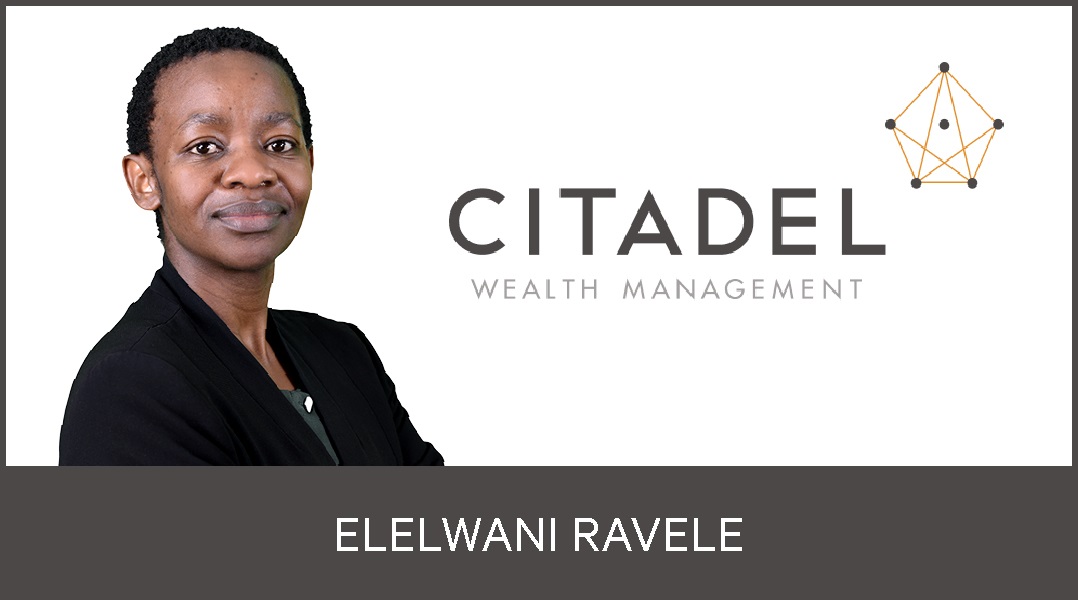
Elelwani Ravele, Advisory Partner at Citadel
Receiving an inheritance can feel like an immediate financial opportunity, but wealth advisors say the decisions made in the weeks and months that follow can have a lasting impact on long-term financial security.
“When one comes into an inheritance – and especially a substantial one – the smartest thing you can do is to look beyond simply the short-term windfall in order to understand the longer-term potential of this capital,” says Elelwani Ravele, Advisory Partner at Citadel. “When someone inherits a financial portfolio, its immediate value is clear, but what is less visible is the future value they may sacrifice by cashing it out. This is where financial modelling can be of great assistance.”
With this perspective in mind, Ravele advises beneficiaries to take five key considerations into account before making their next financial move:
1. Pause for reflection
“The period immediately after receiving an inheritance is a critical window to pause and reflect,” Ravele says. “While one’s first instinct may be to use the funds, it is often wisest to take a moment to understand what truly has been inherited and what those assets are designed to do. Before making any major decisions, I would recommend meeting with a financial advisor, to understand the existing portfolio strategy and its objective. This enables you to make an informed decision about whether to keep the strategy or seek tailored advice to align it with your own goals and objectives. Most importantly, avoid making rushed decisions and seek professional guidance. The portfolio may represent years of saving and investment growth and if well managed, could continue to compound and be of benefit for many years to come.”
2. Be pragmatic about the possibilities
Rather than treating the full inheritance amount as either “spend” or “save”, the more rewarding approach is to think pragmatically. “Start with a financial plan that clearly defines what the money needs to achieve over your lifetime. I favour a bucket approach, to segment the funds for short-, medium- and long-term purposes. Some capital may be used to address immediate financial needs, while another portion may remain invested for retirement, long-term growth or future family responsibilities. The goal is to distinguish between a purposeful use of inherited wealth and short-term consumption,” she explains.
3. Calculate the cost of cashing out
“The best way to understand the long-term cost of cashing out an inherited investment is through financial modelling,” Ravele highlights. “At Citadel, we use a Cash Flow Analysis model to assess how inherited capital could contribute to a person’s overall financial position over the next 20 or 30 years, or even longer. We also factor in lifestyle expenses to understand the potential impact on their future financial sustainability if they choose to use the inheritance today. This helps make the long-term implication of that decision more tangible.”
Ravele illustrates this with the example of someone in their early 40s who inherits approximately R1.4 million. They could choose to withdraw the capital for immediate lifestyle spending or keep it invested as part of their longer-term financial plan.
“If the R1.4 million remained invested, assuming an annual inflation rate of 6%, a nominal investment growth rate of 8.5% per annum, no annual escalation of contributions or withdrawals and a projected period of 24 years with annual compounding, it could potentially grow to R5.67 million. While future investment returns are never guaranteed, the example demonstrates the potential opportunity cost of withdrawing inherited capital rather than giving it the opportunity to grow over the longer term,” she says.
In this scenario, the inheritance becomes more than an immediate windfall. By keeping the capital invested, it has the potential to develop into a meaningful retirement asset and contribute towards the individual’s longer-term financial security.
4. Seek clarity of purpose
“One of the most important things one can do is to give your inherited wealth a clear purpose. The key is to consider how the inheritance fits into your existing financial position, long-term goals and future security and to revisit those decisions as one’s life circumstances change.” Without clarity of purpose, beneficiaries may run the risk of treating the funds purely as additional disposable income.
5. Prepare your children for wealth transfer
In her work advising high net-worth individuals and their families, Ravele sees two categories of beneficiaries: those who were prepared for the wealth transfer and those who had little or no prior knowledge that they would inherit.
“Inherited wealth is more likely to be preserved when beneficiaries have been prepared for it and understand the purpose of the capital. It is possible to use and enjoy an inheritance and to employ it wisely to cancel detrimental debt or grow a business, while also deciding what the funds could achieve over time. Informed beneficiaries are generally more comfortable continuing with the existing investment strategy.”
Building a sustainable future
Ravele concludes that inheritance “is not simply money available to spend, but capital that may have taken decades to build and that can continue to support their financial goals if managed carefully”. The key to achieving this sustainable future, she says, is in taking time to pause, to understand what you have inherited and to make deliberate decisions about what to keep invested, what to use and what role the inheritance will play in your broader financial and life plan.
ENDS