























































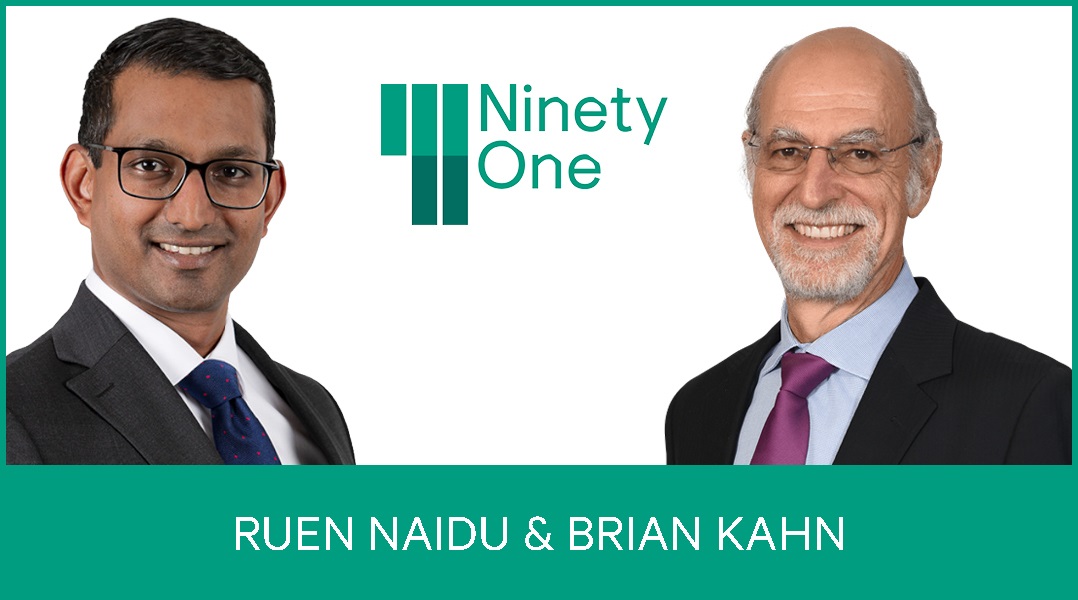
Ruen Naidu, Portfolio Manager; & Brian Kahn, Consultant, at Ninety One
Kevin Warsh walked into his first Federal Reserve meeting carrying the weight of a simple question: What kind of central banking chairman is he going to be?
Markets had been watching since his appointment, reading old speeches, revisiting op-eds, trying to get ahead of what he might do. The speculation ended in June. Warsh closed his first meeting statement with a single sentence: “The committee will deliver price stability.” No hedging. No qualifications. No hints about what comes next. Just a declaration. It was a deliberate choice, and it carried a deliberate cost.
The room read the signal
The committee around him responded in kind. Nine of eighteen members now expect interest rate hikes before the end of the year. At the March meeting, not one did. Six of those nine are pencilling in at least half a percentage point of tightening. A rate hike in October is now fully priced by markets. The dot plot, the Fed’s quarterly snapshot of where individual members think rates are heading, shifted sharply higher. So did inflation forecasts. Warsh did not submit a dot.
Then came the exchange that told investors everything they needed to know. When a reporter asked Warsh whether current interest rates were actually doing the job of slowing the economy, he paused before answering honestly. Policy, he said, is having an uneven effect. You can see it in housing. Everywhere else, the picture is harder to make. It was a candid admission, and a significant one. A Fed chair who does not believe rates are broadly restrictive is a Fed chair with every reason to raise them further.
The trap he may have set for himself
Here is where the story gets complicated. Every incoming Fed chair needs to prove early that they take inflation seriously. Warsh did that. But in doing so, he stripped away the tools that give a central bank flexibility. There is no forward guidance to point to. No framework that explains how the Fed would respond to different economic conditions. No room, in other words, to pause and reconsider without it looking like a retreat.
The standard Warsh has set is stark: deliver price stability. Miss it, or appear to hesitate, and the credibility he spent his first meeting building begins to unravel.
The data will now drive everything. A run of poor inflation numbers could force a rate hike as early as September. One seriously bad print could make July a live decision. Some recent signals have been encouraging, pricing pressures linked to tariffs appear to be fading, and cheaper oil should help bring headline inflation down. But nine committee members looked at the same data and still projected tighter policy. In the weeks ahead, each of them will be out speaking publicly, adding to the pressure before a single new number has been released.
Two trades, one cleaner than the other
For anyone watching bond markets, the picture is uncomfortable. Every inflation release between now and September has the potential to move rates sharply. That kind of data-driven anxiety is, in some irony, precisely what Warsh’s plan to overhaul Fed communications was supposed to reduce.
For currency investors, the story is simpler. The dollar had been weighed down by a nagging question: would the new Fed chair stay the course on inflation, or would political pressure pull him in a different direction? Warsh answered that question on day one. The uncertainty is reduced, and a more credible Fed is good for the dollar.
Which brings us to the political dimension and perhaps the most intriguing subplot of all. Warsh’s hawkish stance is not what many expected from a chair appointed under the current administration. His first meeting suggested he has no intention of doing anyone’s bidding. If that holds, the story of this Fed may not be about rates at all. It may be about whether the White House is prepared to accept a central bank that acts independently of it. That chapter is still being written.
ENDS