
















































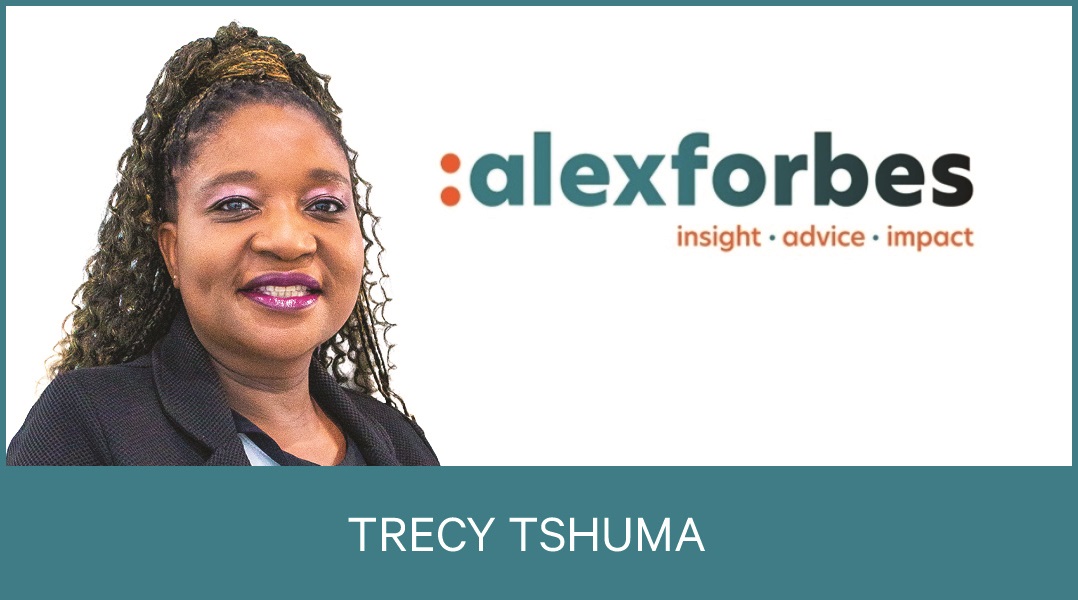
Trecy Tshuma, Wealth Manager at Alexforbes
We hear people talk about ‘good debt’ and ‘bad debt’, but debt can change sides. A loan that made sense at the start can become a problem when your income drops, prices rise or interest rates go up.
Good debt: what it means
Good debt is money you borrow to build something for the future, like a home, a qualification or a business. The idea is that what you get from the loan should put you in a better position later.
Common examples:
- A home loan (a house can grow in value and it gives you a place to live)
- A student loan (if it leads to better job options and higher pay)
- A business loan (if it helps you earn more than the loan costs you)
Key point
Debt is only ‘good’ if you can pay it comfortably without cutting groceries, transport or savings.
Bad debt: what it means
Bad debt is borrowing for things that don’t build value or help you earn more, usually day-to-day spending and is often associated with high interest.
Common examples:
- Credit card debt you can’t pay off in full
- Personal loans for lifestyle spending (clothes, gadgets, holidays)
- Store cards and retail accounts (especially if you only pay the minimum)
Bad debt can spiral because interest is high and balances grow when you only make minimum payments.
So, when does good debt turn bad?
Good debt turns bad when you can’t afford it anymore and that can happen quicker than you think.
Losing a job, a business slowdown, illness, emergencies or higher interest rates can suddenly make repayments difficult. People may then sell assets or cash in investments too soon, often at a poor price.
So, it’s not only about what you bought, it’s about cash flow, timing and whether you have a buffer.
A big danger: Borrowing the maximum
A common mistake is taking the biggest loan you qualify for. On paper it looks affordable but real life is messy.
Banks use formulas to estimate affordability, but they don’t always match your real life, like:
- Everyday costs that are higher than you think (food, fuel, school, airtime)
- Once-off expenses (car repairs, funerals, medical bills)
If you borrow right up to the limit, you leave yourself no breathing room. Then one small shock can push you into missed payments and that’s when debt becomes a problem.
Why this matters right now
These days, people’s income can change quickly. A few examples:
- Technology changes (online shopping and automation can reduce some jobs)
- Company cutbacks (retrenchments and restructures)
- Price shocks (fuel, food and electricity increases)
Bottom line: income isn’t guaranteed. The more debt you carry, the harder it is to cope when things change.
How to keep good debt ‘good’: quick tips
If you’re going to borrow, keep it simple:
- Borrow less than you qualify for. Just because the bank says yes doesn’t mean you should take the full amount.
- Keep repayments manageable. You still need room for savings, emergencies and daily living.
- Stress-test your budget. Ask yourself: ‘Could I still afford this if my income dropped by 20%?’ and ‘Could I keep paying if interest rates rose, and by how much?’
- Build an emergency buffer. Even a small savings cushion can stop you from missing payments when life happens.
Warning signs your debt is becoming a problem
- You’re using credit to cover basics (food, fuel, rent or bond)
- You only pay the minimum on accounts and the balance doesn’t go down
- You’re missing payments or paying late
- You feel you need a new loan to pay an old one
When to get help
If debt is stressing your budget, speak to a qualified financial adviser. They can look at the full picture, cash flow, goals and how you’d cope with an emergency.
Good advice helps you stress-test your debt against rate hikes, pay cuts or surprise costs and act early before it becomes a crisis.
Good debt and bad debt aren’t only about the loan, they’re about whether you can keep paying when life changes. The safest approach is to borrow carefully and leave yourself some breathing room.
If debt is building your future, keep it under control. If it’s forcing you to use credit for basics, it’s time to act, cut back, restructure or get help.
ENDS