
































































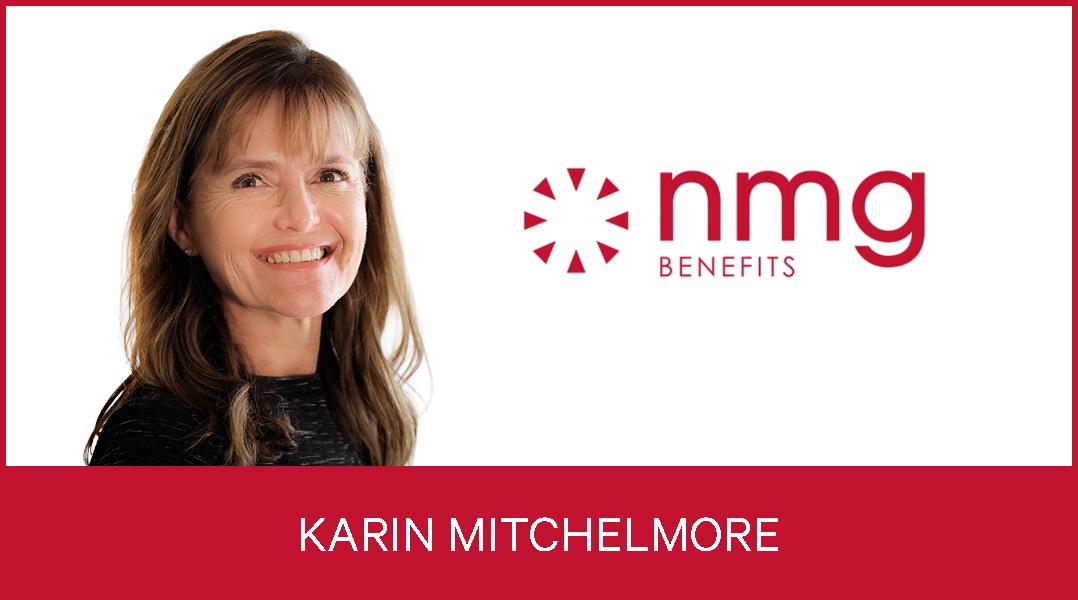
Karin Mitchelmore, Executive Head of Healthcare Consulting at NMG Benefits
As South Africa marks Corporate Wellness Week (1-7 July), many organisations will be planning health screenings, fitness challenges, and awareness campaigns. But, while these initiatives are valuable, they also present an opportunity to ask an important question: what happens once the week is over?
Rather than viewing it as a standalone event. Instead, it offers a useful checkpoint to assess whether employee wellbeing is supported consistently through policies, leadership behaviours, and practical resources that are accessible throughout the year.
According to Karin Mitchelmore, Executive Head of Healthcare Consulting at NMG Benefits, many organisations are recognising that workplace wellbeing is no longer limited to physical health.
“Employees do not experience their wellbeing in separate categories. Their mental and physical health, financial security, family life, and even quality of sleep all influences how they perform at work. The more connected your approach to wellbeing is, the more meaningful it becomes for your employees.”
This holistic perspective is becoming increasingly important because employee participation often remains inconsistent when support is delivered as a series of isolated initiatives rather than as part of a broader employee experience.
Wellbeing works best when it is consistent
The week itself encourages organisations to focus on physical health through blood pressure checks, cardiovascular screenings, and other preventative interventions. These initiatives are particularly relevant given the close relationship between chronic stress, heart health, and other long-term illnesses.
However, preventative care should extend beyond the physical. Employees benefit most from a wellbeing strategy that helps them stay consistently healthy, resilient, and productive, rather than one that only responds when challenges have already escalated into burnout, absenteeism, or ‘presenteeism’ – where employees are physically present at the workplace but unengaged.
“Preventative wellbeing is always more effective than responding once someone has reached crisis point,” says Mitchelmore. “The earlier employees feel supported, the better the outcome for both the individual and the organisation.”
Make support easy to access
A lack of awareness or accessibility is one of the biggest barriers to successful wellbeing programmes. Even when organisations invest in support services, employees are often unsure what is available, how to access it, or whether it is confidential. Regular communication throughout the year helps normalise conversations around wellbeing and encourages people to seek support before problems become overwhelming.
For organisations with hybrid or remote teams, digital wellbeing initiatives can help ensure that no employees are excluded. Virtual activities and online resources allow all employees to take part regardless of where they are working.
Leaders shape workplace wellbeing
Policies and programmes matter, but employees also look to their leaders for cues about what is genuinely encouraged within an organisation.
If managers regularly work excessive hours, never take leave, or discourage conversations about stress, employees may hesitate to make use of the support available. By contrast, leaders who openly prioritise healthy boundaries, encourage time off when needed, and create psychologically safe environments make it easier for employees to seek help without fear of judgement.
Small interventions can have lasting impact
The awareness week also highlights that wellbeing does not always require large budgets or complex programmes.
Simple actions such as regular wellbeing check-ins, preventative health screenings, stress management sessions, and ongoing communication can strengthen employee engagement over time. When these become part of everyday organisational practice, they help create workplaces where employees feel supported before challenges become more serious.
“Such initiatives gives organisations an opportunity to pause and evaluate whether their wellbeing strategy reflects the realities employees face every day,” concludes Mitchelmore. “The most effective programmes are not defined by what happens during one week in July, but by whether employees continue to feel supported in the weeks and months that follow. When wellbeing becomes part of everyday organisational culture, people are more likely to seek support early, take better care of their physical and financial health, and remain engaged at work.”
Ed’s note: Listen to our Exec Meet & Greet with Karin Mitchelmore, here.
ENDS