




























































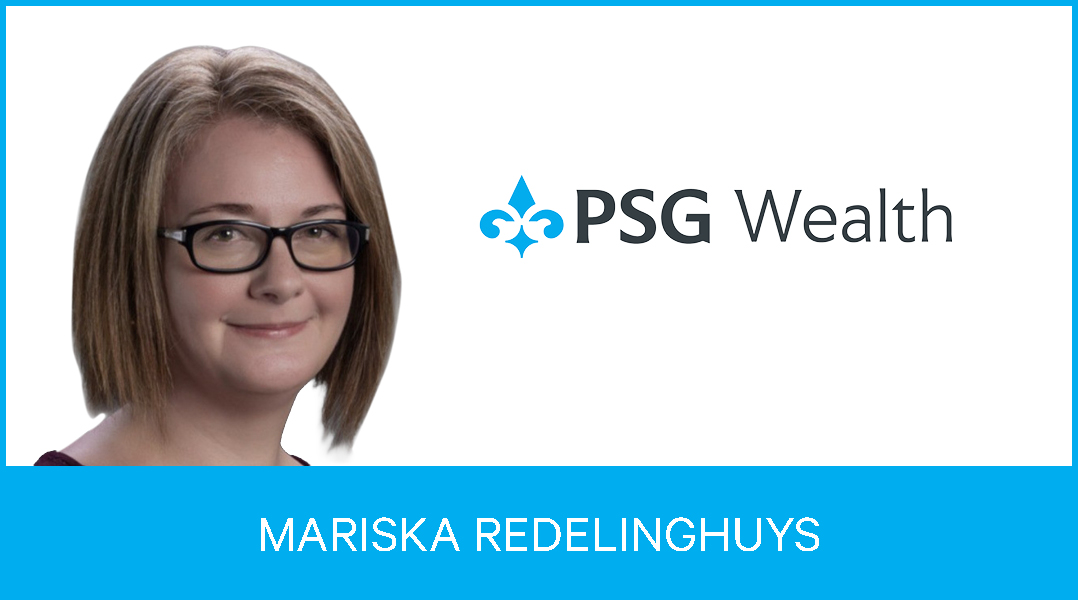
Mariska Redelinghuys, Employee Benefits and Fiduciary Specialist at PSG Wealth
The distribution of pension fund death benefits has come under renewed scrutiny following a recent ruling in which the Pension Funds Adjudicator set aside a fund’s allocation decision after an alleged dependant admitted she had falsely claimed to be the deceased member’s girlfriend.
The matter, which involved more than R2 million in death benefits, has raised important questions about how funds identify and verify beneficiaries before making payment decisions.
“While this particular case involves a clearly fraudulent dependency claim, it serves as an important reminder that, in terms of the Pension Funds Act, a member does not have the final say over who receives a retirement fund death benefit,” says Mariska Redelinghuys, Employee Benefits and Fiduciary Specialist at PSG Wealth. “Instead, the trustees of the retirement fund must identify who the deceased’s dependents are, investigate their circumstances and make a fair and equitable allocation of the death benefit.”
This can come as a surprise to retirement fund members, who assume that completing a beneficiary nomination form guarantees that benefits will be distributed exactly according to their wishes.
“A beneficiary nomination form is an important expression of the member’s wishes and a valuable starting point for the fund’s investigation, but it is not automatically binding on the trustees,” explains Redelinghuys. “For example, a member may nominate their spouse to receive 100% of a death benefit, but if the fund identifies another person who was financially dependent on the member, trustees are legally required to consider that person’s entitlements well.”
The statutory definition of a dependant is broader than many people realise. It includes legal dependants, being people whom the deceased was legally liable to maintain and factual dependants, being people who were financially dependent on the deceased even where there was no legal liability for maintenance. Spouses and children are specifically recognised in the statutory definition. Whether someone qualifies as a dependent must therefore be assessed against the statutory definition and the facts of the particular case.
Depending on the circumstances, trustees, may review bank statements, proof of financial support, maintenance arrangements, shared household expenses, marriage or civil union documentation, birth certificates, employer records and beneficiary nomination forms. Trustees may also consider affidavits, interview family members and request information from landlords, employers or other relevant parties.
In the case at hand, the alleged dependant signed an affidavit stating that she had been in a relationship with the deceased, lived with him and was financially dependent on him. However, when she was joined to the adjudication proceedings, she later admitted that she had never met the deceased and had submitted the claim after being persuaded by a third party who hoped to obtain money from the benefit.
“Although this case presents an extreme example, it highlights the importance of robust verification processes,” says Redelinghuys. “Funds must be able to demonstrate that they have properly verified the information presented to them and considered all relevant evidence before making allocation decisions.”
While no member can completely prevent someone from attempting to lodge a fraudulent claim after their death, Redelinghuys says there are several practical steps that can help, such as:
- Review and update beneficiary nomination forms regularly, particularly after major life events such as marriage, divorce, the birth of a child or the death of a dependant.
- Identify someone you can trust wo will ensure that the fund is provided with accurate information about your dependants and family circumstances, including any individuals who may be financially dependent on you.
- Keep supporting records where relevant, such as proof of maintenance payments or other forms of financial support.
- Communicate openly with family members about your retirement savings and financial affairs, so that they have a clear understanding of your circumstances.
- Revisit your retirement fund records periodically to ensure all information remains current and aligned with your wishes.
“Good administration while you are alive can help prevent confusion, disputes and unnecessary delays after your death.” says Redelinghuys. “Ultimately, the more accurate information trustees have available to them, the better equipped they are to identify legitimate dependants and ensure that benefits reach the people they were intended to protect.”
Ed’s note: Mariska is one of our speakers at this year’s EBnet Evolutionaries Conference, where the theme is Benefits Activated. The conference is free, it’s virtual (meaning you can attend any time in the week of 26 October) and, in addition to great content, there’s an exhibition hall with over 50 service providers. Register here.
ENDS