
































































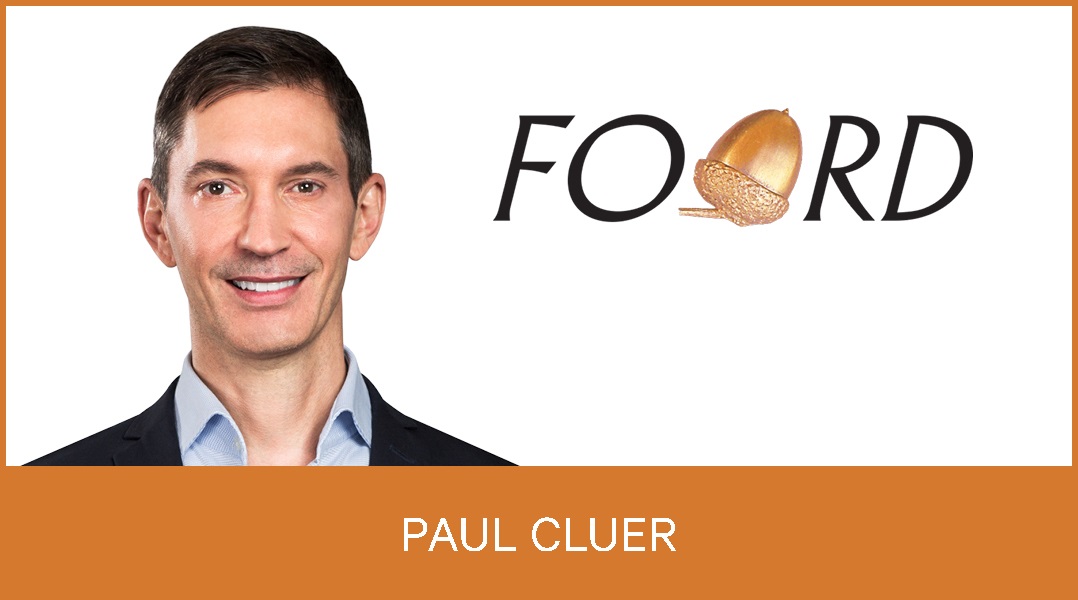
Paul Cluer, Managing Director at Foord Asset Management
The thing about aftershocks is that they often arrive after the danger seems to have passed. So it has been with this year’s oil shock. The Strait of Hormuz is not yet back to normal, but a provisional deal between America and Iran, together with China’s remarkable cut in crude imports, was enough to drag oil prices down by a fifth in June.
The aftershocks have arrived in the form of higher prices and expectations of higher interest rates. Three months of elevated fuel prices have done enough damage to disturb inflation expectations and change the mood of central bankers and investors alike.
The European Central Bank raised interest rates across the bloc for the first time since 2023. Meanwhile, new US Federal Reserve chair Kevin Warsh struck a decidedly hawkish tone. His first month in the chair has not produced the easy-money turn President Trump wants. Investors have moved from expecting rate cuts to forecasting higher rates. Softer month-end jobs data has perhaps made the timing less urgent, but the US labour market remains resilient.
South Africa faces a similar problem in local form. A stronger current account and better terms of trade have buoyed the rand, but inflation is running well above the Reserve Bank’s new target. Lower pump prices will help but will not undo second-round effects once they have started to appear. There is no prospect of lower rates for now.
SpaceX’s record listing and early surge — briefly supplanting Amazon as the world’s fifth-most valuable company — gave investors the moonshot moment they wanted. The loss-making company’s $2 trillion valuation is the most vivid example of the market’s current mania.
Yet the AI trade is also becoming more discriminating. It is shifting from those funding the boom to those selling the picks and shovels to build it. The Magnificent Seven cohort collectively lost $2.3 trillion in value last month, with semiconductor stocks taking a breather after a strong rally this year. Chinese consumer-tech names were also sold down.
The upshot was that global equity markets traded broadly lower last month, led lower by Chinese shares. Gold fell by double digits to below $4,000 an ounce as speculation abated and investors digested the prospect of higher interest rates. Resource shares suffered as oil, gold and copper all retreated. In South Africa, investors found relief in bonds and listed property, which held up better.
The Foord global funds were all lower in the month. Within the equity products, core investments in attractively priced Chinese consumer-tech companies weighed on performance. The Foord International Fund’s gold and precious metals streamers traded lower. The Foord SA funds’ lower resources weighting and preference for inflation-linked bonds were beneficial. The thesis for the Foord Inflation Linked Income Fund is paying off well this year.
Markets seem precariously balanced. The oil price is lower, but the energy system is not yet normal. Central banks are dealing with higher inflation expectations, even as growth indicators soften. And markets are still willing to pay moonshot prices for businesses whose profits remain some way off. Foord’s portfolios are anchored in valuation discipline, diversification and the patient ownership of assets where the prospective return still justifies the price.
ENDS