




















































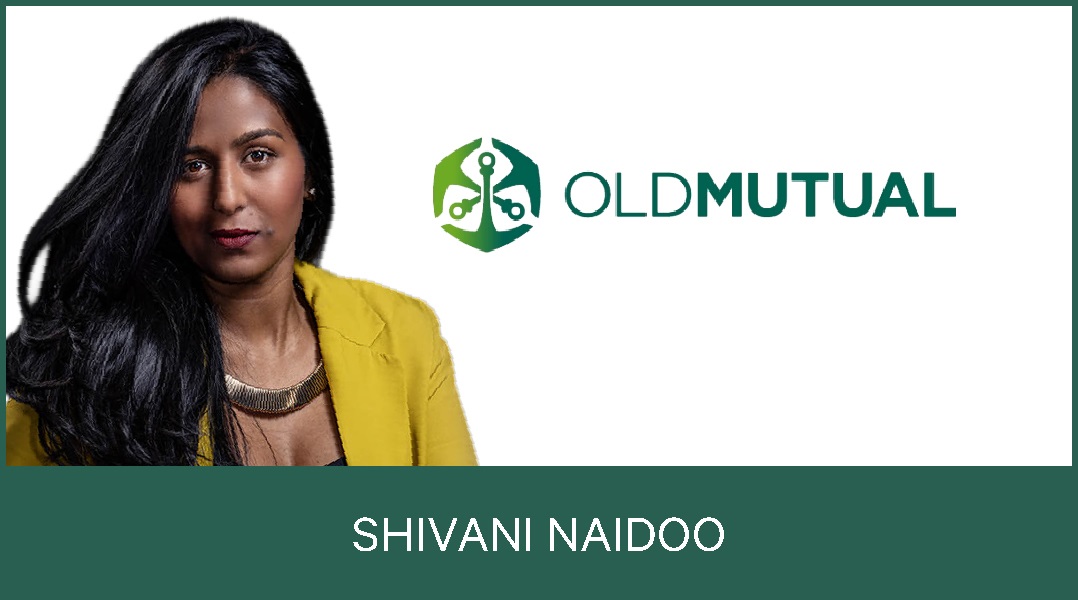
Shivani Naidoo, Head of EQT at Old Mutual Wealth
South Africans are increasingly rejecting the idea that investing is only for the wealthy, financially sophisticated or nearing retirement. Instead, a new generation of self-directed investors is using digital investment platforms to build wealth on their own terms, shifting investing from an exclusive financial activity into an accessible tool for long-term financial independence.
According to Shivani Naidoo, Head of EQT at Old Mutual Wealth, the rise of self-directed investing signals a broader shift in how people access and engage with investing.
“The shift is being driven by access, not just access to an app or trading platform, but access to the world of investing itself, from the language, the ideas and the confidence that make people feel they can participate,” Naidoo says.
EQT, Old Mutual Wealth’s self-directed investment platform, gives investors the ability to build and manage their own portfolios while developing greater understanding of markets, investment products and long-term financial planning.
Naidoo says more South Africans are being exposed to concepts such as ETFs, offshore investing, tax-free savings accounts and portfolio building in ways that feel more accessible than before. For many first-time investors, particularly first and or second-generation wealth builders, this exposure is significant.
“Many people may be earning more than the generation before them, but they are also navigating debt, family responsibilities, education costs and rising living expenses. While they may have income, they may not yet have significant investable wealth. Self-directed investing gives this missing middle a practical way to start earlier, learn earlier and build confidence over time,” Naidoo explains.
She adds that the growth of self-directed investing is also reshaping participation in wealth-building conversations, with women playing a growing and more active role in investment participation.
“We are seeing more women who are building careers and making long-term financial decisions engaging with investing more actively,” says Naidoo. “That matters because women have historically been underrepresented in formal investing and wealth conversations”.
Beyond accessibility, Naidoo believes self-directed investing fundamentally changes the relationship people have with money.
“When people engage directly with their investments, money stops feeling abstract,” she explains. “They begin to see the connection between the decisions they make today and the future they are trying to build. Wealth becomes less like a distant outcome and more like something shaped by behaviour over time”.
According to Naidoo, one of the most important mindset shifts for emerging investors is understanding that income alone does not automatically translate into wealth. “Income is one of the most powerful tools for building wealth, but it is not the same as wealth. Without intentional investing habits, income does not automatically become assets. Self-directed investing helps people start converting income into ownership”.
She notes that investors who actively engage with their portfolios often become more financially aware and disciplined over time. “They begin to understand what they own, why they own it and how it connects to their long-term goals. That is when financial literacy starts becoming meaningful”.
This growing engagement can also encourage healthier investment behaviours, including consistency, diversification and long-term thinking. However, Naidoo cautioned that self-directed investing still requires emotional discipline, particularly during volatile market conditions such as those currently being experienced globally.
“The first thing investors should do during volatile market conditions is not panic, because such conditions are a normal part of investing. The danger lies in making decisions that compromise long-term growth prospects in a short-term moment of fear,” Naidoo warns.
Naidoo points out that successful investing is often less about reacting to market headlines and more about maintaining consistent habits and staying aligned to long-term goals.
While self-directed investing empowers individuals to take control of their portfolios, Naidoo emphasises that professional financial advice still plays an important role.
“I see professional advice fitting in as a partner to the self-directed journey, because the more engaged an investor becomes, the more valuable good advice can be, because they start asking better questions,” she says.
She adds that advisers remain especially important during key life stages, periods of market volatility and major financial decisions involving retirement, tax, estate planning and long-term wealth preservation.
For Naidoo, the rise of self-directed investing reflects more than just greater access to technology. It signals a growing belief among South Africans that wealth creation should not feel out of reach or reserved for a select few.
“You do not already have to be wealthy to invest or start behaving like a wealth builder,” she says.
ENDS