



































































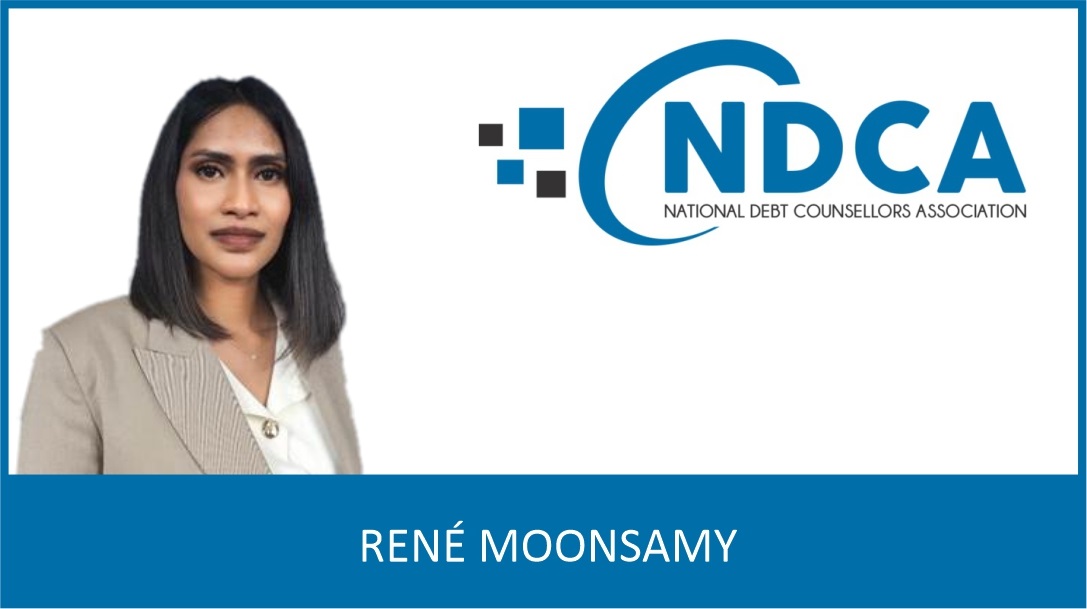
René Moonsamy, Chairperson of the National Debt Counselling Association
Using credit to fund everyday expenses indicates ‘survival borrowing’, where households repeatedly rely on credit to make it through the month.
Increases in essential expenses such as electricity, rates, transport and school fees are putting household budgets under pressure. To cover ordinary living expenses, more consumers are repeatedly using credit cards, overdrafts, personal and payday loans.
DebtBusters’ Q2 Debt Index confirms this. The prevalence of personal loans and one-month loan accounts indicates consumers are borrowing to survive. Nearly all new debt counselling applicants now have a personal loan, while the number of those with a one-month ‘payday’ loan is at a record high of 63%.
Multi-lender borrowing, where consumers hold multiple credit agreements, is also at its highest level since 2016, when the Debt Index was first compiled.
“There is a fundamental difference between borrowing R2,000 to deal with an emergency and borrowing R2,000 every month because your income doesn’t cover your expenses. The first may be a temporary financial setback, but the second suggests your household budget is structurally unaffordable,” says René Moonsamy, chairperson of the National Debt Counselling Association.
The problem with ‘survival borrowing’ is that it can soon spiral into a debt trap, she explains.
“You start the next month with less disposable income because you have to repay what you borrowed in previous months. If you can’t increase your income, then you may be forced to borrow more to cover the shortfall. The cycle continues, with an ever-increasing proportion of your income going to repay debt, until it becomes unsustainable.”
Using long-term savings, such as two-pot retirement withdrawals, for day-to-day living is another warning sign of a recurring gap between income and household expenses.
Moonsamy says that people who recognise these patterns should not wait until they’ve missed multiple payments before getting help.
“The sooner you act, the more options there are to deal with debt. In some cases, reviewing the household budget could be enough to relieve temporary pressure. Where appropriate and genuinely affordable, consolidating expensive debt may reduce costs or simplify repayments. If you are overindebted, debt counselling provides a regulated way to restructure qualifying credit agreements according to what you can realistically afford.”
But, she says, it’s important to distinguish between credit used for planned or productive purposes and survival borrowing, where it’s used to bridge a recurring gap between income and essential expenses.
“The prevalence of survival borrowing and the likelihood of it becoming unsustainable supports a perception that all credit is bad. Productive borrowing, with a clear purpose, and where the benefit justifies the cost of the credit, is not.”
Examples of productive borrowing include financing a vehicle to access more economic opportunity, investing in education or skills or starting or expanding a business.
Even so, the borrower needs to be able to service the debt and gain a financial or economic advantage that outweighs the cost and risk. Taking a loan to start a business isn’t automatically productive if it fails. Similarly, financing a car to get a higher-paying job further from home isn’t productive if the job doesn’t materialise.
“Credit is a financial tool whose value depends on its purpose, cost, affordability and whether the borrower can afford to repay it without taking on more debt.”
ENDS