























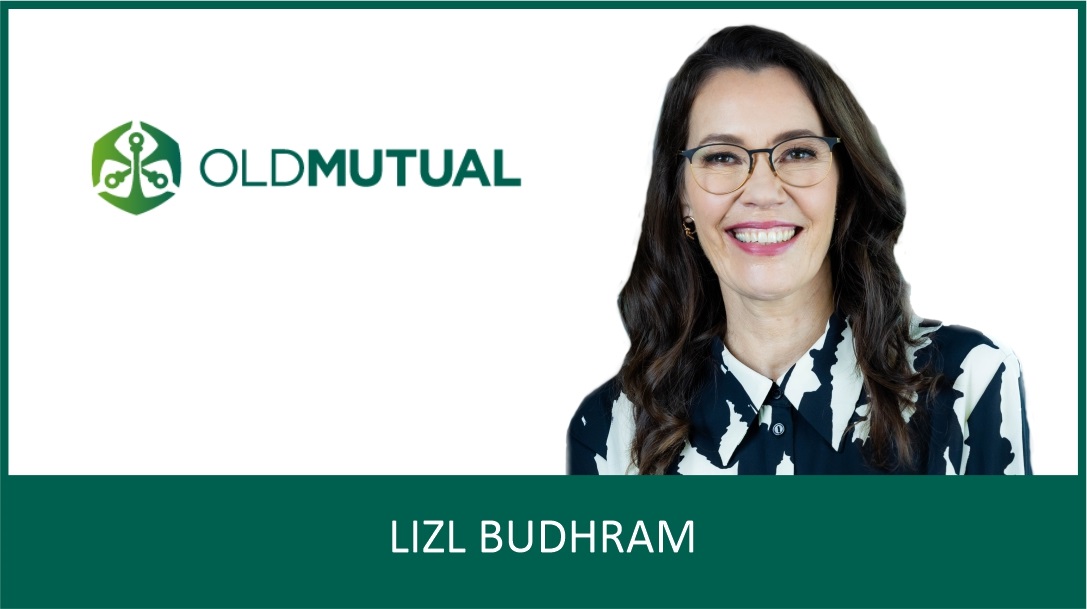
Lizl Budhram, Head of Advice at Old Mutual Personal Finance
Old Mutual Personal Finance is urging South Africans to pause and seek professional financial advice before making another withdrawal from their Two-Pot retirement savings after the new tax year opened on 1 March 2026.
“People are juggling multiple and often conflicting financial priorities, from school fees and household costs to debt repayments and family responsibilities,” says Lizl Budhram, Head of Advice at Old Mutual Personal Finance. “When you’re pulled in many directions at once, another withdrawal can feel like the quickest solution, but good financial advice helps you step back, weigh the trade-offs and avoid undoing years of disciplined retirement planning.”
Findings from Old Mutual Corporate’s Member Insights Two-Pot Withdrawal Survey show that repeat withdrawals are becoming a significant behavioural risk. Nearly 80% of members who have already made one withdrawal said they were likely to withdraw again next year, and 79% of those who withdrew to pay off debt expected to do so again, signaling that withdrawals risk becoming an annual habit for many households.
“The reform works when the preserved portion has time to grow,” she continues. “But once withdrawals become habitual, families erode the benefit the system is designed to deliver, which is why informed decisions now matter more than ever.”
How the Two-Pot Retirement Reform Works
Budhram adds that the Two-Pot System is a major long-term improvement for South Africa, as a portion of all savings accumulated after September 2024 is automatically preserved and cannot be cashed out when members change jobs. This structural preservation is expected to significantly strengthen retirement outcomes over time.
Under the Two-Pot Retirement System, retirement savings are divided into three components: a retirement pot, a savings pot, and a pot of money unaffected by the reform, which holds all savings accumulated before the changes took effect in September 2024, officially known as the Vested Component. The vested component can still be accessed in the event of resignation. Of the two new pots, only the savings pot can be accessed before retirement, and the rules allow one withdrawal per tax year.
The retirement pot cannot be accessed until retirement and continue to grow. This structure is designed to provide limited emergency access while safeguarding long-term retirement security.
Budhram says a professional financial adviser will typically explore five questions to guide responsible decision-making:
- What exact emergency or situation makes this withdrawal necessary right now? This helps create a detailed conversation and decision-making process to determine whether using retirement savings is justified or whether other options may better protect long-term wellbeing.
- Have you explored every alternative that could address this situation without using your retirement savings? Advisers can assess options such as restructuring debt, adjusting budgets or negotiating payment terms.
- Do you understand how this withdrawal will affect your future retirement income, and have we reviewed your updated projections? Even modest withdrawals reduce compound growth and affect long-term income.
- Will the after-tax amount you want to withdraw actually resolve the issue, or will you face the same problem next year? If the root cause isn’t addressed, withdrawals can become a recurring pattern that drains savings.
- Do you know exactly how much tax SARS will deduct and what you will receive in your bank account? Many people are surprised by the tax impact, which can mean the net amount falls short and the underlying problem remains.
“The Two-Pot System provides useful flexibility, but another withdrawal in the new financial year could set families back more than they realise,” concludes Budhram. “We encourage South Africans to pause, speak to a financial adviser and make choices that protect long-term financial security.”
ENDS