










































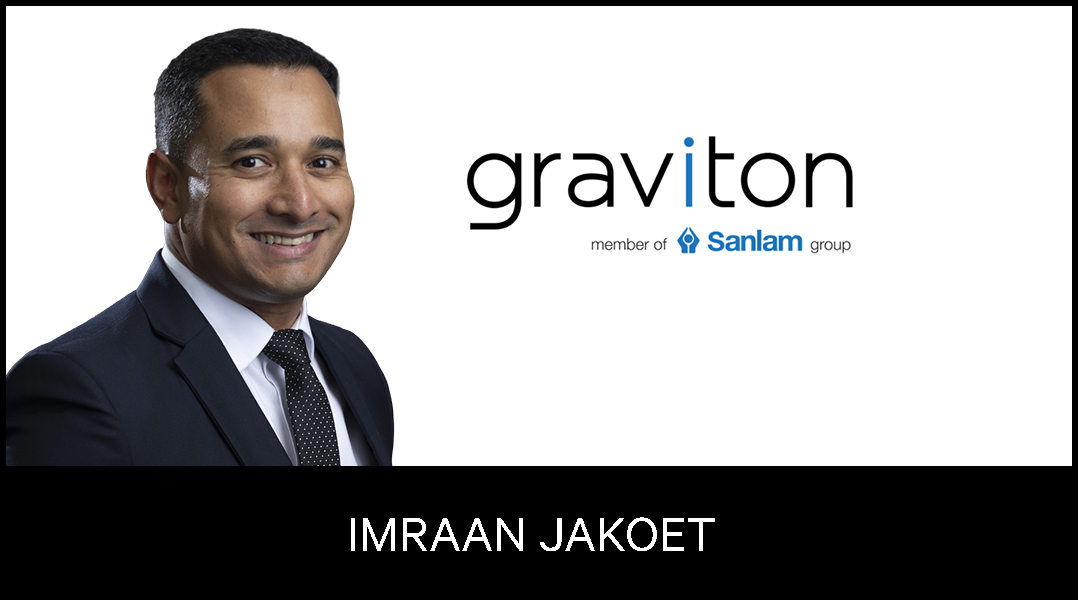
Imraan Jakoet, Head of Invest at Graviton
South African adults can now transfer up to R2 million offshore per calendar year without needing to obtain pre-approval from the South African Revenue Service (SARS). It’s a welcome change for people who want to diversify their offshore exposure, but just because you can now move more money offshore, does that automatically mean you should?
The Single Discretionary Allowance (SDA) was first introduced in 2008, with a R1 million cap. In April 2026 that limit was doubled. South Africans still have an extra R10 million Foreign Investment Allowance (FIA) on top of the R2 million SDA, but that requires SARS approval.
Most investors would have seen the increased SDA as a welcome change, given the rand’s decade of depreciation relative to most global currencies. Compare what R1 million meant in early 2008 (when the exchange rate was around R7 to the dollar) to what it means today (with the dollar sitting at around R16). Those are very different amounts in terms of purchasing power for offshore funds.
And that’s one of the reasons why investors might want to externalise their rands through the SDA – if one considers the impact of a weakening currency over time. If you intend to pay for something in dollars or euros in 12 months’ time, for example, currency depreciation would mean that your rands would be worth less and the cost of buying that foreign currency would be higher.
You might also want to have a nest egg of dollars, euros or pounds sitting offshore to cover other future expenses, for example, if you’re planning to live overseas for a spell, or if you have children who might end up studying overseas for a year or two.
Those liabilities will not be rand-based, so from a broader financial planning perspective, it might make sense to send money overseas because you’ll need it in that jurisdiction in the future.
Having said that, though, there’s no guarantee that the rand will lose value against the dollar (or any other major currency). In fact, the dollar weakened significantly against the rand between mid-2025 and mid-2026 – and that’s the risk you take when you try to call the future value of the currency.
You also run the risk of putting yourself under financial pressure locally, if you’re sending too much of your money offshore.
Setting those lifestyle needs aside, it then becomes more of a question of the benefits of investing offshore. This is where many South African investors and investment managers would have welcomed the news of the increased SDA. There are industries and companies that simply aren’t available on the South African stock markets, and to get exposure to big tech or AI companies, for example, you would have to look beyond the JSE, to foreign stock exchanges.
There are, of course, ways to access offshore funds and indices without sending your rands overseas – and here you would have to weigh up the benefits of investing in dollar- or rand-denominated funds. The risk of the rand weakening over the long term is not certain, but it should always be part of your financial planning.
Depending on your circumstances, it might make a lot of sense to have an offshore investment portfolio (if you have the means to do so), especially if you’re able to meet your local obligations without needing to touch the money you’ve sent offshore.
Whether you’re sending large sums of money offshore every calendar year or just once after receiving a lump sum, the expanded SDA gives you more freedom and flexibility than you had a year ago.
In the past, you may have had to choose between moving money offshore for investment purposes, or sending money to a relative living abroad, or paying for an overseas holiday or shopping spree. Now, with the pre-approval cap doubled to R2 million, you have far greater flexibility. Just be sure to use your allocation wisely.
As always, the guidance of a qualified financial adviser can be invaluable in ensuring your offshore decisions support your broader financial goals.
ENDS