














































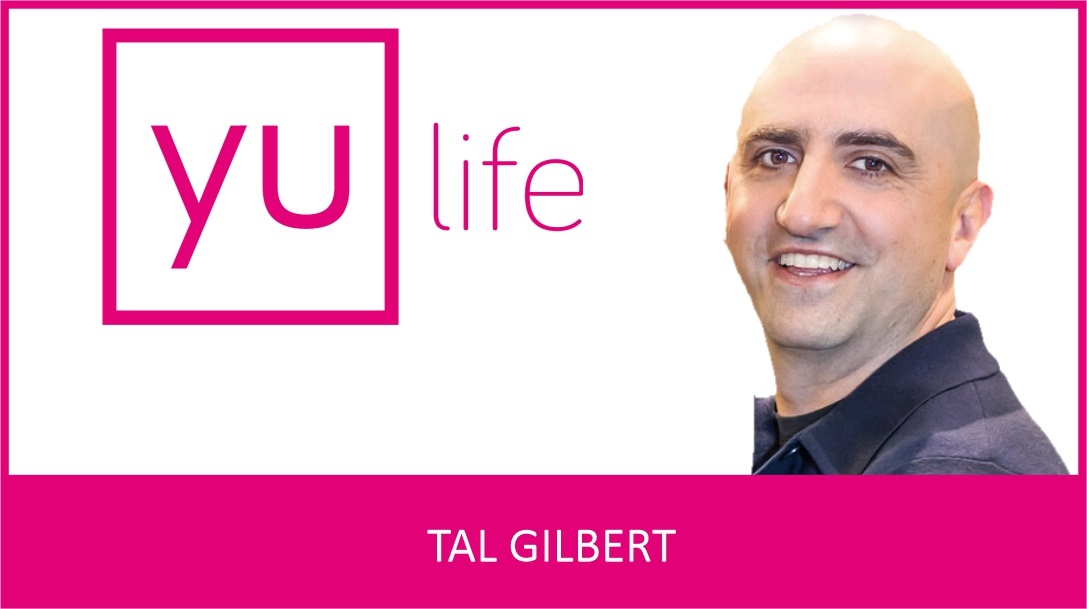
Tal Gilbert, CEO of YuLife
Historically, the insurance and employee benefits industry has operated on a fundamental design flaw: it builds emergency parachutes, locks them in a filing cabinet, and only asks employees to familiarise themselves with the straps when the plane is already going down.
For decades, the standard approach to employee benefits has been entirely reactive. Policies are designed to trigger during the most difficult moments of a person’s life: a severe illness, a sudden disability, a mental health crisis, or the loss of a family member. But it is incredibly difficult to ask an employee to trust a system they only ever interact with on the worst day of their life. If the only time an individual engages with their benefits is during a crisis, that relationship is built purely on anxiety and friction.
This reactive model has created a massive trust deficit in the modern workplace. The numbers tell a stark story. According to the Financial Sector Conduct Authority’s (FSCA) 2023 customer behaviour study, the majority of South Africans who have employee benefits have at least one financial or insurance product they do not fully understand. In the workplace, this complexity and confusion breeds hesitation. Despite a high-stress economic climate where support is desperately needed, utilisation rates for traditional Employee Assistance Programmes (EAPs) typically sit between 20% and 30%. In some legacy systems, that number plunges as low as 5%.
When employees do not trust or understand their benefits, they simply do not use them. This lack of engagement is often misinterpreted by employers as a lack of need. In reality, a benefits portal that resembles a ghost town is rarely a sign of a perfectly healthy, problem-free workforce. Far more often, it indicates a severe disconnect between what an employer offers and what employees feel safe using.
That disconnect usually begins with workplace culture. You cannot out-benefit a bad environment. An organisation can invest millions of Rands into the most comprehensive wellness programmes, EAPs, and insurance covers on the market. But if the daily culture contradicts those offerings, the investment is rendered entirely hollow.
If an employer provides access to a confidential mental health hotline but actively praises managers for working late into the night and skipping weekends, the benefits programme will be viewed with deep cynicism. If an employee is told they have generous family responsibility leave, but returning to work means facing passive-aggressive comments about missed deadlines, they learn very quickly that the stated benefits are a trap rather than a tool. Employees are highly perceptive; they need to see that their employer’s commitment to wellbeing extends beyond the HR onboarding manual and into meaningful, everyday support. When the daily reality of a job contradicts the promises made in a policy schedule, trust is broken.
When employees suspect that using a benefit might be weaponised against them or that the process will be so buried in administrative red tape that it isn’t worth the effort, they opt out. This represents a massive, missed opportunity. Unused benefits mean that the financial investment made by the employer fails to translate into actual employee value.
So, how do organisations rebuild this confidence? The answer lies in shifting benefits from a reactive crisis tool to a proactive, everyday habit.
Trust is not built in an emergency; it is built in the mundane, everyday moments. In our personal lives, we trust the platforms and services that we use daily because they offer consistent utility. We need to apply that same logic to employee benefits. Rather than presenting benefits as a 40-page PDF during an annual review, they should be integrated into the daily flow of work and life.
This is the philosophy that drives our approach at YuLife. We believe that to build trust in the big things (like life insurance and income protection) you first have to build engagement in the small things. By creating a digital environment where employees are rewarded with a virtual currency (YuCoin) for everyday wellbeing activities like walking, cycling, or meditating, the dynamic fundamentally changes.
The benefits programme ceases to be an intimidating corporate document and becomes an accessible, positive daily habit. When employees interact with their benefits in a low-stakes, rewarding environment, familiarity breeds trust. They understand what they have, how it works, and where to find it. Most importantly, when a life-changing event does occur and they need to access serious support, they are not logging into a strange, clinical portal for the first time. They are turning to an app they already use and trust every day.
Clear, accessible, and ongoing communication is the scaffolding for this trust. Employers must strip away the dense financial jargon and explain what benefits cover in plain, everyday language. Personalisation is equally critical. A one-size-fits-all approach no longer works because a 25-year-old recent graduate and a 50-year-old parent navigating a health scare have completely different needs. By gathering regular employee feedback, organisations can identify the gaps between what is offered and what is actually needed, allowing them to tailor communication so that benefits feel highly relevant to the individual.
Employee benefits can only deliver value when employees believe they are genuinely designed to support them. A trusted benefits offering contributes to a stronger employee experience, a greater sense of belonging, and a far more resilient workforce. It is time for employers to view benefits not as a static, annual line item, but as an ongoing relationship. And like any good relationship, it must be built on transparency, daily engagement, and actions that consistently match the promises made.
ENDS