
































































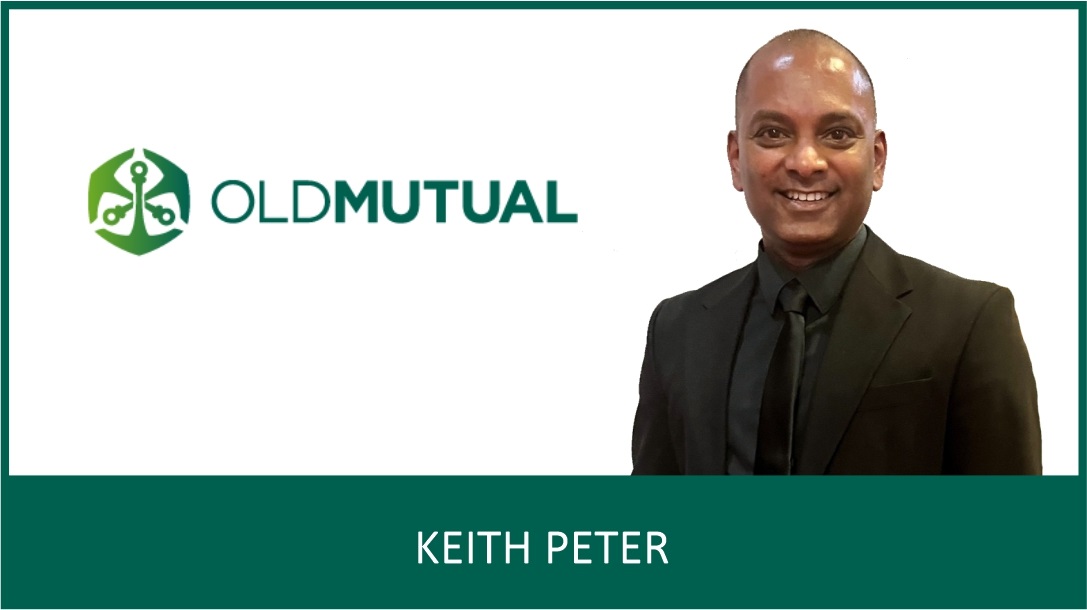
Keith Peter, Advice Manager at Old Mutual
The traditional nine-to-five job is rapidly losing its standing as South Africa’s primary route to financial security, as an increasing number of middle-market consumers build wealth through multiple income streams, entrepreneurship and digital platforms.
New findings from the 2026 Old Mutual Savings & Investment Monitor (OMSIM) reveal a significant shift in how financially active South Africans earn, manage and grow their money. The research suggests that income diversification for middle-market consumers (people earning a monthly income of R30 000 or more) is no longer merely a response to economic pressure but an increasingly deliberate strategy for building long-term financial resilience and wealth creation.
Just more than 6 in 10, (63%) of middle-affluent South Africans now earn income from more than one source, up from 57% a year ago. Almost two-thirds of these “poly-jobbers” say their additional income has increased over the past 12 months, however, income flows from the additional jobs are still not a major part of their total income. At the same time, business ownership continues to expand, with more than half (51%) now owning or co-owning a business, while four out of five report improved business performance over the past year.
The digital economy is also becoming an increasingly important source of income. Nearly half (49%) of middle-market consumers now monetise social media platforms, up sharply from 38% in 2025, while the proportion earning meaningful income through digital channels has increased from 17% to 27% in just one year.
“The findings point to a fundamental shift in South Africa’s financial landscape,” Keith Peter, Advice Manager at Old Mutual, “Rather than relying solely on salaries, more consumers are building diversified income portfolios that combine employment, entrepreneurship and digital opportunities. This is strengthening financial resilience and creating new pathways to long-term wealth creation.”
The research suggests that this growing financial resilience is also beginning to influence broader financial behaviour. As consumers generate income from multiple sources, many appear to have greater confidence to save, invest and, where appropriate, make use of credit to support their financial goals.
In addition to the growth of supplementary income streams, credit usage has also increased across the middle market, particularly for personal loans, store cards and vehicle finance. Encouragingly, overall repayment behaviour has remained broadly stable despite this increased borrowing, suggesting that many consumers are managing higher levels of credit responsibly.
However, the findings do show that there are some middle-market consumers who continue to experience debt-servicing challenges, highlighting the importance of responsible borrowing as credit use expands.
“Increased access to credit is not necessarily a concern when it is supported by sustainable income and disciplined repayment behaviour,” says Peter. “Whilst repayment patterns have not shifted it is important to point out that 17% of middle-market consumers have fallen behind on personal loan repayments during the past year. The findings reinforce that while many consumers are becoming more financially resilient, responsible debt management remains essential.”
“The rise of multiple income streams is an encouraging sign that South Africans are becoming more entrepreneurial and taking greater ownership of their financial futures,” says Peter. “The real opportunity now is to ensure that additional income is not simply absorbed by rising day-to-day expenses but is deliberately channelled towards building long-term financial security.”
Whether additional income comes from a side hustle, a growing business or digital platforms, consumers can maximise its long-term value by directing a portion towards emergency savings, investments and reducing expensive debt where appropriate. Doing so helps convert higher earnings into greater financial resilience and sustainable wealth creation.
“The entrepreneurial mindset provides an important platform for long-term financial wellbeing. The greatest opportunity now is to ensure those additional earnings consistently build savings, reduce financial vulnerability and grow investments that create lasting wealth for households and future generations.” concludes Peter.
The 2026 OMSIM surveyed employed, digitally connected South Africans aged 18 to 65 with monthly incomes of R8,000 or more, representing about 25% of the country’s adult population. The survey examines how shifting income patterns, entrepreneurship, digital innovation and evolving consumer behaviours are reshaping financial resilience across South Africa. This extract focuses on working South Africans earning R30 000 per month or more.
ENDS