


































































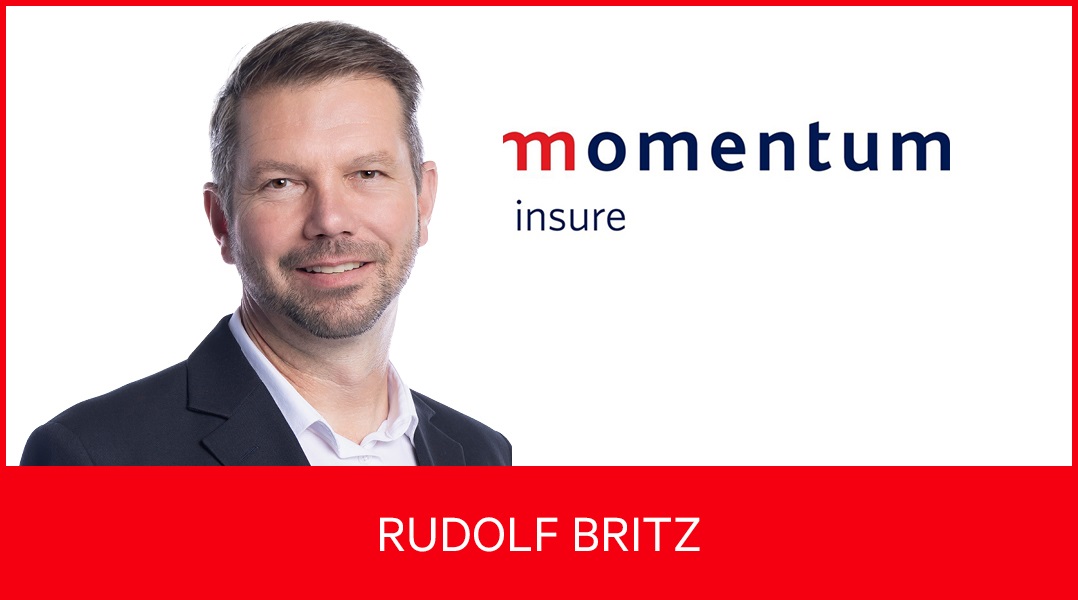
Rudolf Britz, Chief Actuary at Momentum Insure
Shifting climate patterns and infrastructure challenges are disrupting the traditional insurance landscape, making historical data less reliable for predicting risk. However, while the public eye is drawn to catastrophic, headline-grabbing natural disasters, the reality of financial vulnerability is much more mundane. The reality is that most real-life claims don’t stem from unprecedented, massive disasters but are triggered by everyday moments – a small mistake, a momentary lapse in concentration, or a minor, unexpected disruption.
With that being said, as global temperatures rise, driving higher atmospheric moisture and more intense weather systems, the line between behaviour, infrastructure, and climate has blurred. In South Africa, this environmental volatility is combining with tough economic pressures to reshape the nature of personal risk, turning ordinary habits into significant financial exposures.
Why being careful is no longer enough
Historically, avoiding risk was relatively straightforward: you maintained your property, drove defensively, and exercised basic common sense. Today, however, traditional caution is hitting an operational ceiling. You can be the most careful driver or homeowner on the block, but normal human caution won’t fully protect you against systemic volatility.
When localised downpours overwhelm aging drainage systems, or an unpredicted hailstorm hits an afternoon commute, routine activities suddenly transform into expensive insurance claims. Interestingly, the baseline of what it means to be “safe” has structurally shifted because external environmental and infrastructure conditions are deteriorating faster than individual habits can adapt.
The blindspot of interconnected risks
Most people tend to view risks in isolated silos, treating car maintenance, home security, weather alerts, and household budgeting as completely separate concerns. This compartmentalisation inadvertently leads people to underestimating how interconnected today’s threats really are.
A prolonged period of economic strain doesn’t just impact a household’s savings; it alters behaviour. To save money, an individual might delay routine home maintenance, such as clearing gutters or checking roof seals. Months later, a completely normal, volatile seasonal rainstorm hits, because the property’s physical resilience was compromised by delayed maintenance, the storm triggers severe water damage. Financial pressure, behavioural habits, regional infrastructure limits, and climate volatility inevitably combine, creating a compounding effect that massively increases a household’s exposure to sudden financial loss.
Shifting from reactive habits to proactive planning
Navigating this interconnected risk landscape requires a fundamental shift in consumer mindset, moving from a reactive approach where insurance is viewed as a passive safety net to be used only after a crisis occurs ,to a proactive risk management approach.
True financial resilience relies on distinguishing between what we can control and what we can not . Individuals and business owners must take active, practical steps to manage their immediate physical environments. This includes conducting regular inspections of roofs, gutters, and drainage systems to ensure they comply with building standards and can withstand heavier downpours. It also means responding immediately to weather alerts by moving vehicles under cover or securing loose outdoor property and implementing risk conscious asset protection, ensuring that critical business inventory or personal assets are stored in climate-adaptable spaces.
By controlling behavioural risks and reinforcing physical structures, it is possible to actively minimise preventable damages, transferring only the truly uncontrollable, catastrophic risks to insurers.
The evolving role of strategic advice
As everyday risks become more complex, the value of professional financial advice has evolved far beyond simply comparing premium prices. Advisers play a critical role in helping clients transition from emotional, reactive decisions to structured, proactive risk planning.
The modern adviser serves as a risk analyst, guiding clients to identify and understand vulnerabilities they might not immediately recognise . While a client easily recognises the visible value of their car or home, an adviser looks at the hidden operational risks .For instance, how a rising cost of living might be eroding the client’s actual level of cover, or how infrastructure challenges, near the property, multiply the likelihood of a claim.
By putting the spotlight on these hidden correlations, advisers empower clients to see their cover not as an annoying monthly expense, but as a strategic asset designed to safeguard financial continuity when unexpected everyday disruptions strike.
ENDS