































































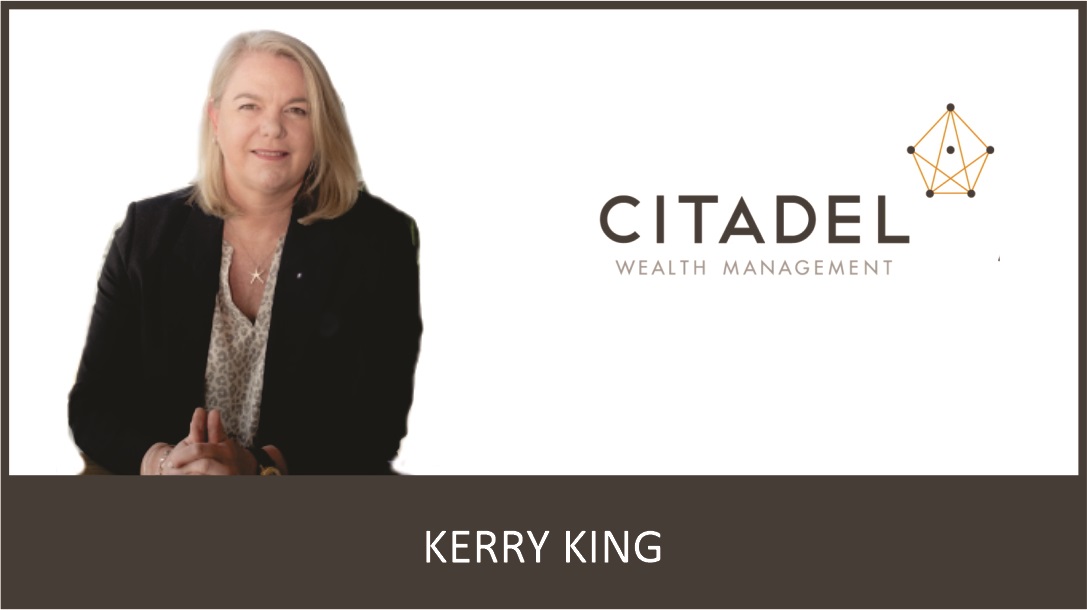
Kerry King, Advisory Partner at Citadel
With international research indicating that women are set to control 40% of global private wealth by 2035, the transfer of wealth into the hands of women is not only changing who owns and manages it. The transfer is also changing the nature of conversations financial advisors need to have with clients and how wealth management must adapt.
“As women build, accumulate, inherit and control a greater share of global wealth, traditional approaches to wealth management need to evolve beyond product selection and portfolio performance. It is now critical to understand how women engage with wealth, what they prioritise, where their financial journeys differ and why advice needs to reflect those realities without defaulting to stereotypes,” says Kerry King, Advisory Partner at Citadel.
How women’s wealth stake has grown in 20 years
According to global research, female investors controlled about 34% ($60 trillion) in assets under management (AUM) in 2023 and this number is set to rise by another 5-10% in the next decade. This trend is reflected in Citadel’s own longitudinal client data, which shows that women now make up 35% of its client base. Their female client base grew by 400% between 2006 and 2026, with women’s AUM increasing 10 times faster, from R770 million in 2006 to R38 billion in 2026.
“There is a wealth shift towards female clients and this is a growing global trend. The trend is also evident in the percentage of female directors on the Johannesburg Stock Exchange (JSE) top 50 companies. Female directors now make up 38%, compared to 10% in 2006,” says King.
Factors fueling the female wealth trend
King reveals that there is “no one factor that has shaped the increase in female clients”. “Yes, divorce and longevity are high on the list, but more importantly, women are taking on more responsibility at work and making their careers a priority. Remote working and flexible working hours have been a big catalyst.
“What is very clear is that women are taking their wealth seriously. They understand that life deals surprises and they do not want to be left without financial independence. They also prioritise managing healthcare costs, maintaining lifestyle and not outliving their retirement assets.”
King has also seen in her experience that it was “a myth that women are more risk averse than men when it comes to investing”. “Long-term investing, for everyone, is about risk management, diversification across asset classes and using a trusted advisor with a solid track record.”
How wealth managers should respond to the change
“As the balance of wealth ownership changes, wealth management needs to evolve with it,” says King. “We don’t need to create a separate investment rulebook for women, but we do need to better understand the circumstances that can shape women’s financial journeys, from career progression and entrepreneurship to caregiving, longevity, divorce, inheritance and financial independence and then respond appropriately. Looking at our own data shows the growing proportion of female investors as primary wealth decision makers, this is something we are actively adapting to, to ensure their needs are met.”
The first way the industry needs to respond to this wealth shift is to relook the traditional advisory relationship, says King. “As more women become primary wealth creators, inheritors and financial decision-makers, advisors need to listen, ensure that both partners are meaningfully included in wealth conversations, that women are engaged directly rather than treated as secondary participants and that the next generation is included too.”
Secondly, the financial industry needs to examine how women approach wealth creation, preservation, estate planning, offshore exposure and intergenerational transfer, while avoiding assumptions about risk appetite or financial knowledge based on gender or qualification. “Women can often surprise, which is why biases are no longer relevant.”
Thirdly, the rise in female-controlled wealth should lead to better, more individualised wealth management rather than “wealth management for women”, says King. “Every investor is an individual and should be treated as such. We need to understand the person behind the wealth and build advice around their life, family, ambitions and long-term legacy.”
Lastly, King believes advice crosses genders and generations. Open, honest conversations are important. “It is our responsibility to ensure that both parties in a marriage, are well informed and empowered when it comes to their investment portfolios. Educating your clients is critical and helps build long-term relationships.” Open and honest discussions are needed between generations about wealth and legacy planning. “Surprises after losing a loved one are not well received by all parties and can create unnecessary anxiety in families. This can be easily resolved by open communication, education and awareness.”
Conclusion
In conclusion, King says wealth management is “about understanding your clients’ needs, desires and family values”. “Each plan is personalised and is often driven by past experiences and background. True advice is about more than managing money. It is about easing financial stress, creating clarity and giving women, and men, the freedom to focus on what gives their lives meaning.”
ENDS