































































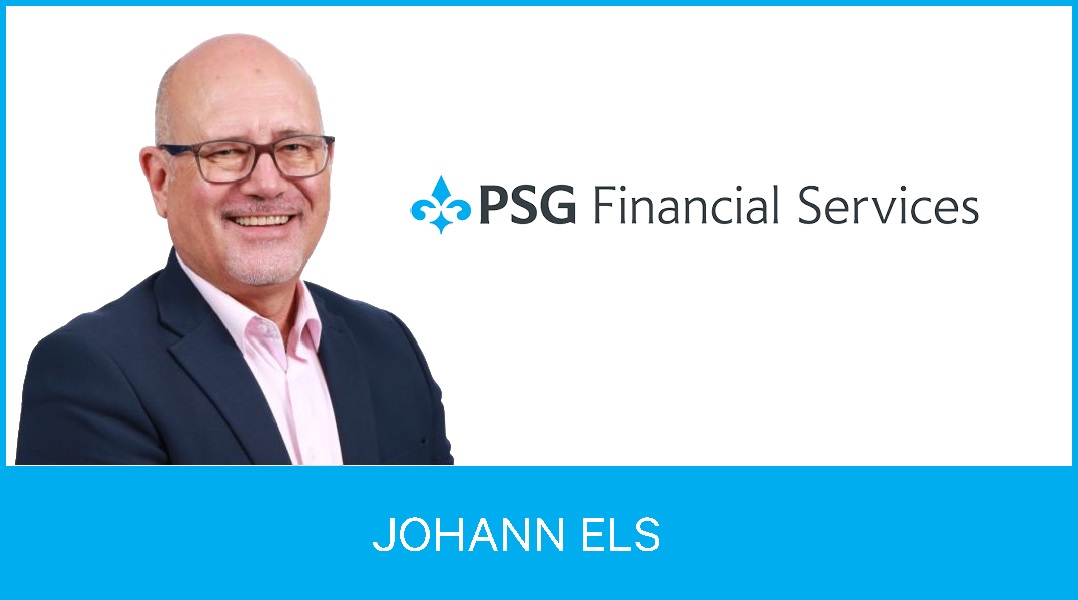
Johann Els, Chief Economist at PSG Financial Services
A few years ago, I wrote in these pages that South Africa was undergoing a different kind of radical economic transformation. Not the slogan that had dominated political debate for years, but something far more meaningful: a gradual shift towards greater private sector participation, structural reform and a more competitive economy.
At the time, that view was met with more than a little scepticism. Load shedding was getting worse, Transnet was failing, growth was weak and investor confidence remained fragile. It wasn’t difficult to understand why many struggled to see the positives.
Today, a few years later, many of those reforms are no longer simply proposals. They are being implemented and, more importantly, they are beginning to show up in the economy.
South Africa still faces enormous challenges. Economic growth remains too low, unemployment is unacceptably high and government finances remain under pressure. Nobody should pretend otherwise.
But economies change at the margin. They improve because many smaller changes gradually begin to reinforce one another. That is what we are starting to see.
The electricity sector has changed fundamentally. Private generation has expanded rapidly, lifting energy security and removing one of the biggest constraints on growth. Logistics reforms are under way, with increasing private sector participation at ports and on the rail network. Water infrastructure is finally receiving more attention. Visa reforms are making it easier to attract scarce skills and tourists. The government’s fiscal position has stabilised, with debt now close to peaking as primary budget surpluses become more entrenched.
None of these reforms on their own transforms an economy overnight. Together, however, they begin to change the country’s long-term growth potential.
The encouraging part is that many of these reforms do not require massive government spending. They mainly require better policy, removing unnecessary barriers, creating competition and allowing the private sector to invest. That makes the reform process far more sustainable, particularly at a time when government finances remain under pressure.
We should also not forget that South Africa has always had important structural strengths. Our Constitution and judiciary remain among the strongest in the emerging world. Institutions such as the Reserve Bank and National Treasury continue to provide policy credibility, while our financial sector is deep, sophisticated and well regulated. Combined with an innovative and resilient private sector, these strengths have helped South Africa weather a series of shocks over the past decade and provide a solid platform on which to build.
One lesson from the past decade is that confidence matters. Government cannot spend its way to faster growth when public finances are under pressure. But it can create an environment where businesses are willing to invest. Confidence is probably the cheapest form of economic stimulus any government can provide, and confidence improves when reforms are credible and consistently implemented.
This is also reflected in business confidence and investment decisions. Companies invest when they believe future conditions will be better than current conditions. That process takes time, but it has started.
There is also an important shift taking place in how government increasingly views the role of the private sector. The debate has gradually moved away from government doing everything itself towards creating an environment where private investment can flourish. That is a significant and welcome change.
The work is far from complete. The next phase of reform is probably even more important than the first. South Africa still needs meaningful labour market reform, continued improvements in logistics and local government, much faster infrastructure delivery, and further progress in reducing unnecessary regulation. Those reforms will determine whether growth settles closer to 2% or moves sustainably towards 3% and beyond.
Global risks also remain. Slower world growth, geopolitical tensions and volatile financial markets will continue to create uncertainty. South Africa is not immune to those developments.
Yet the global backdrop has also changed in ways that increasingly favour countries like South Africa. Twenty years ago, developed economies were generally viewed as the safe, high-growth part of the world, while emerging markets were associated with weak institutions, high debt and greater risk. Today that picture looks very different.
Many developed economies are now grappling with ageing populations, weak productivity growth and debt levels that would once have been associated with emerging markets. By contrast, many emerging economies have strengthened their policy frameworks, improved fiscal discipline and continued to enjoy stronger long-term growth prospects.
That relative shift is important for South Africa. We have always had stronger institutions than many emerging markets. The difference today is that those institutional strengths are increasingly being supported by better policy, fiscal discipline and ongoing structural reform. Investors don’t compare countries in isolation; they compare opportunities across the world. South Africa is becoming increasingly attractive relative to many developed economies facing slower growth, rising debt and growing fiscal pressures.
Investors often spend too much time worrying about today’s headlines and not enough time thinking about where the economy will be three or five years from now. Markets tend to overreact to short-term noise.
The bigger question is whether South Africa’s growth path is improving. I believe it is. The reforms are still incomplete and growth remains too low, but the direction has changed. The economy is becoming more competitive and more investment friendly.
That won’t eliminate short-term disappointments. But over time it should matter far more than the next political headline or quarterly GDP number.
A few years ago, I argued that South Africa had started a different kind of radical economic transformation. Looking back, I think that argument has aged rather well. The transformation is still gradual, and much work remains. But it is happening.
The challenge now is not to lose momentum.
ENDS