



























































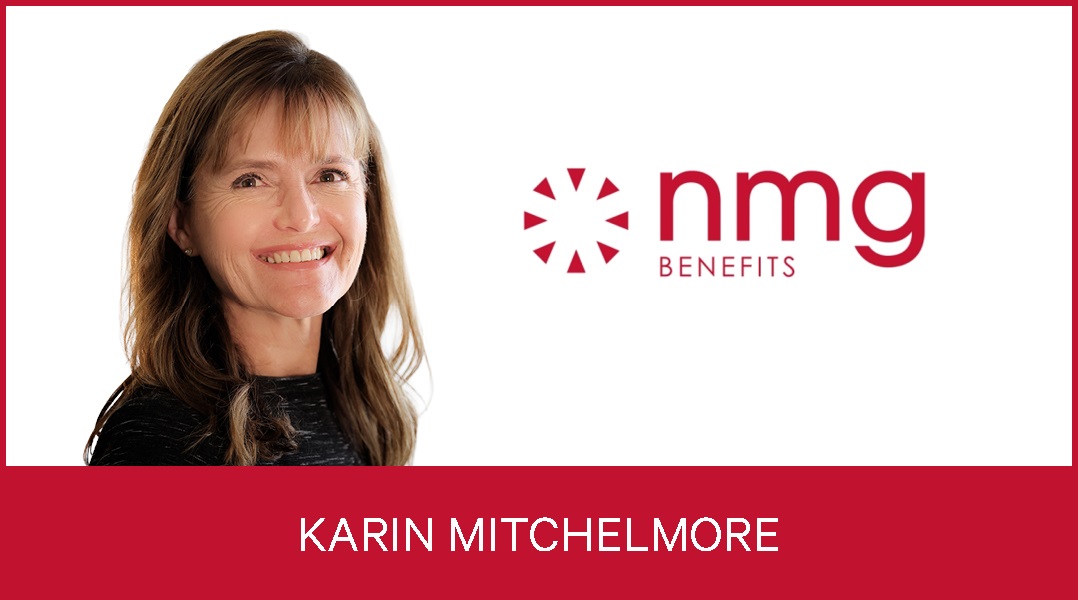
Karin Mitchelmore, Executive Head of Healthcare Consulting at NMG Benefits
Medical scheme contributions are expected to continue rising in 2027, putting further pressure on household budgets and employers trying to keep healthcare benefits affordable. With annual increases once again outpacing cost-of-living inflation, many members face difficult choices about how much cover they can afford and whether this cover aligns with their most likely risks.
“Medical schemes are having to balance affordability with sustainability,” says Karin Mitchelmore, Executive Head of Healthcare Consulting at NMG Benefits. “We are seeing average increases of around 8% for 2027, compared with average consumer inflation of approximately 4% so far in 2026.”
The pressure reflects the rising cost of private healthcare, including medical inflation, higher fees from medical professionals, and the costs of managing complex conditions and administering schemes. Prescribed minimum benefit (PMB) conditions, which schemes are legally required to cover, also represent a significant expense, while growing demand for mental healthcare adds to the burden. Following years of below-normal increases during the COVID-19 period, schemes are also rebuilding their financial reserves.
Claims utilisation is another factor. Audited 2025 financial results show that many schemes were spending between 93% and 98% of their income on claims, leaving little room for managed care and operating costs.
For members, the challenge is to find cover that fits both their budget and their likely healthcare needs. Choosing an option based on its monthly contribution alone can prove costly when exclusions, co-payments, and benefit limits come into play.
Mitchelmore recommends working with an adviser who can assess a family’s circumstances, anticipated needs, and affordability, including potential changes. Advisers can compare options across schemes and, through negotiated arrangements, may secure preferential pricing. Members covered through an employee benefit scheme should consult its appointed adviser.
“Our clients often ask what they claimed for in one year and ask for equivalent cover the next,” she says. “But good planning looks ahead. You need to consider what could change in your family and understand the trade-offs before committing to an option, because changing plans once the year has started may be difficult or come with financial consequences.”
Hospitalisation and chronic cover deserve particular attention. A lower-cost option may suit some households, but members need to understand the limits on both planned and emergency private hospitalisation and specialist fees, as well as any requirements to use designated service providers. Gap cover, which is a separate insurance product, can help meet certain shortfalls between what a scheme will pay and what a treatment, procedure, consultation, or scan actually costs. Mitchelmore advises members to get gap cover while they are still healthy, as waiting periods and exclusions may apply.
There are also practical ways to manage healthcare spending. Members with PMB and chronic conditions should ensure these are registered with their scheme to make the most of the benefits. Where network or preferred providers are specified, using them can help avoid additional costs. Medical savings accounts can provide for day-to-day expenses, with unused balances carrying forward from year to year for future healthcare needs.
Members should also submit all medical provider, and prescribed medication claims to their scheme even when their day-to-day benefits or savings are exhausted, and when they are required to make a co-payment. These expenses will be recorded on their annual tax certificate from the scheme, and this could qualify members for a rebate when they submit their annual income tax assessment.
Employers, meanwhile, should review their medical scheme offering annually to ensure employees have meaningful choices at different price points. A combination of medical scheme and medical insurance options may improve affordability for some workforces, although medical insurance does not provide the same breadth of cover as medical scheme membership. Workplace wellness initiatives can also encourage prevention and earlier intervention.
Ultimately, says Mitchelmore, “The value of your medical cover is not determined by your monthly contribution; it is determined by the total cost of care.”
Ed’s note: To learn more about your medical aid, watch EBnet’s latest series, Health Hack SA, here.
ENDS