































































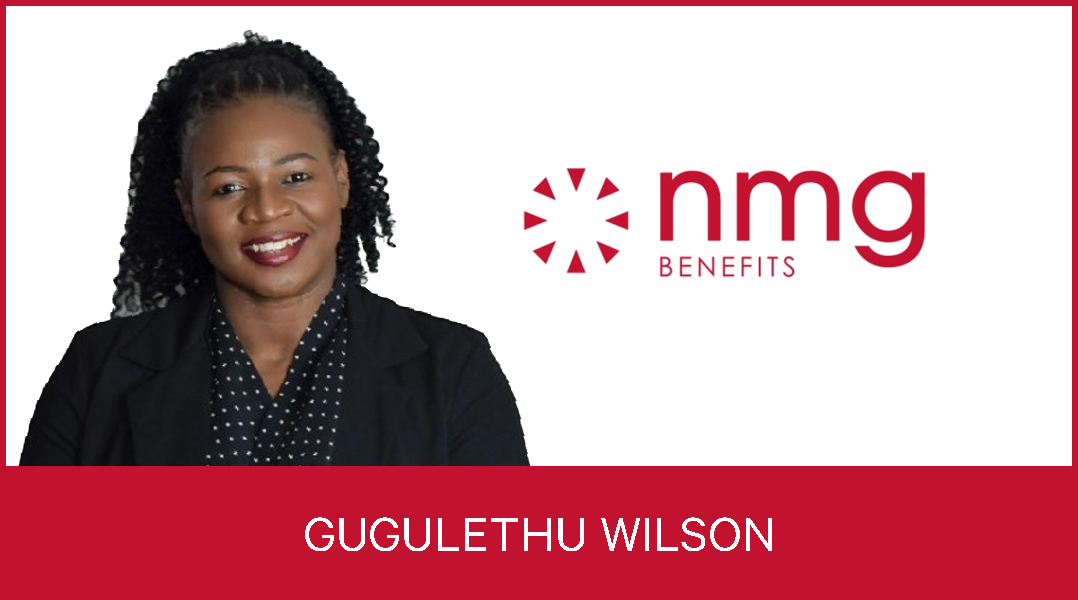
Gugulethu Wilson, Principal Consultant at NMG Benefits
Employee benefits programmes increasingly rely on data to understand member behaviour and assess outcomes. But, while average age, salary, contribution rates, and replacement ratios can provide valuable insight into a fund’s membership, the challenge comes when these averages begin to stand in for the people they describe.
Consider two retirement fund members who fit the ‘average’ profile in a fund’s datasheet, but who have very different financial circumstances. Both 40-years-old and earning the same salary, one may have children, a bond, and extended-family responsibilities, while the other may have no dependants and a very different set of financial priorities. Their retirement savings journeys may also have diverged significantly through career breaks, late entry into the fund, or periods when saving was simply unaffordable.
For trustees, advisers, and benefit professionals, seeing these members as individuals rather than a homogenous group is becoming increasingly important.
Is the average hiding the reality?
Now, consider a fund with an average replacement ratio of 60%. On the surface, this provides a useful measure of the members’ retirement preparedness. Yet the figure could represent outcomes ranging from 80% right down to 20%. The average provides a headline, but little indication of who may need intervention.
Gugulethu Wilson, Principal Consultant at NMG Benefits, says that the real value of member data lies in being able to identify where outcomes are diverging and understand the drivers: “Once these patterns become visible, the conversation can move beyond measuring the membership to considering what different groups actually need.”
This is particularly relevant following the introduction of the two-pot retirement system, which has provided a much clearer view of member financial behaviour. Withdrawals may indicate limited understanding of the long-term consequences of accessing retirement savings, but they can also point to financial pressures that are not otherwise evident.
Are we segmenting members incorrectly?
Age remains a useful basis for segmentation, particularly when considering proximity to retirement. However, financial needs are also shaped by significant moments in people’s lives: entering the workforce, receiving a promotion, starting a family, changing employers, experiencing financial difficulty, going through divorce, or approaching retirement.
These moments create different intervention points. A member entering the workforce may need support to establish good saving habits, while another member of the same age may already be experiencing significant financial pressure or managing family responsibilities. This highlights why age alone may not provide enough insight into a member’s financial needs and circumstances.
This is where member-centricity needs to move beyond tailoring communications. It requires a better understanding of the circumstances in which financial decisions are being made. “Fairness in member outcomes is unlikely to come from giving everyone exactly the same intervention,” Wilson says. “The more meaningful measure is whether members have a reasonable opportunity to make informed decisions and achieve sustainable outcomes, given where they are in their financial journey.”
How can trustees and advisers look past averages?
For the industry, this has implications for how member data is analysed and how interventions are designed. Average contribution rates should prompt investigation into which groups are contributing materially less. Average replacement ratios should lead to examination of who is falling significantly below the desired outcome. Withdrawal patterns should be analysed for common characteristics and circumstances.
The objective is not to abandon averages. They remain useful tools for understanding a membership and monitoring trends. The opportunity is to become more curious about what they conceal.
For trustees and advisers, this means moving from simply reporting what the numbers say, to interrogating what they mean. “We are very good at presenting the numbers, but member outcomes demand that we look beyond them. If we want to understand whether a benefit structure is working, we have to understand the people experiencing it, the decisions they are making, and the circumstances influencing these decisions,” says Wilson.
ENDS