






































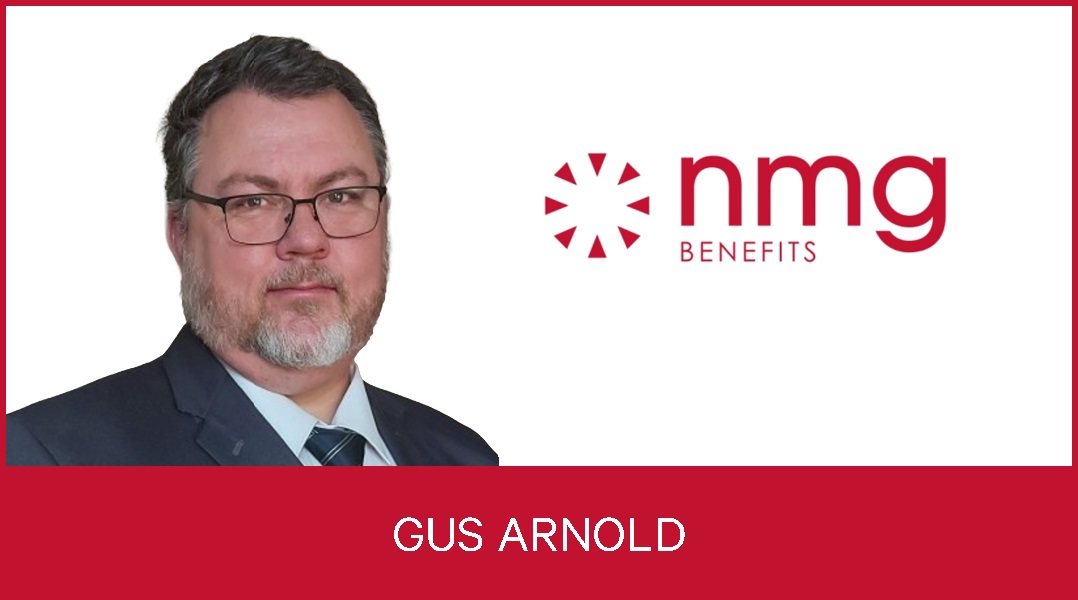
Gus Arnold, Tax Specialist at NMG Benefits
Many South Africans believe that if they earn below the tax threshold, R95,750 annually for those under 65 in 2026, they don’t need to file a return. This assumption is dangerously wrong.
Gus Arnold, tax specialist at financial advisory firm NMG Benefits, says that the Income Tax Act technically places the onus on anyone earning even R1 to file a return with SA Revenue Service (SARS): “Seemingly minor financial events can unexpectedly force you to file. A savings- or two pot-withdrawal creates a second income stream that’s taxed as normal remuneration. Having more than one IRP5 generally makes filing a tax return compulsory, as SARS requires all sources of employment income to be declared and assessed together.
Other events include accruing bank interest exceeding R28,300 annually for under-65s (R34,500 for over-65s); making a profit from selling assets such as shares, unit trusts, cryptocurrency, or your primary property for over R2.5 million; and earning income from foreign dividends and rental properties.
Arnold breaks down other areas that are commonly misunderstood:
1. Confirming auto-assessment: Many assume when SARS auto-completes their tax return, it means they’re fully compliant. But, even with auto-assessment, you must check and confirm the accuracy of the auto assessment. You have only to the end of the filing season 23 October 2026 to change your 2026 assessment, starting on 1 July, to confirm, and you only have this 80-day period from assessment date in which to dispute or correct auto-generated errors. After this, you may start to incur late-submission penalties on outstanding amounts.
2. Checking auto-assessment: Check that all IRP5s from multiple employers, and the certificates from your medical scheme and savings vehicles, are accounted for. Additional allowable medical expenses (over and above your monthly medical scheme premium) should also be included. Check that interest earned from banks, and capital gains events, are reflected. Also ensure that source codes are identical across IRP5s and SARS records.
3. Doing nothing: Penalties can be up to R1,000 per month for non-submission. Arnold shares a striking example: “Someone who paid R800 tax on a savings withdrawal could potentially get this refunded if they file. If not, they could be liable for thousands in penalties and SARS debt.”
4. Provisional Tax: Provisional tax is a system that includes non-remuneration income which is paid in up to three advance payments in six monthly periods. Self-employed individuals must pay provisional tax, and SARS can also classify people with multiple income sources as provisional taxpayers. This means tax is paid in two instalments during the tax year instead of monthly. The first payment is based on an estimate of 50% of your expected annual tax liability, and the second ensures that, in total, you have paid about 90% of your expected tax for the year. After the person financial year ends, a final assessment is required based on your actual income, which determines whether you need to pay third additional or top-up payment or receive a refund will be caried forward to the next tax period.
Some individuals with normal remuneration and other taxable income (earned from interest, foreign dividends, rental from letting of fixed property and remuneration from unregistered employer) more than R30 000 might be required to register for provisional tax and follow a different assessment requirement.
5. Two-pot withdrawals are taxed at marginal rates and can push you into a higher tax bracket. Arnold warns that spending the entire withdrawal without setting aside money for tax can be an expensive mistake.
Practical steps to protect yourself
SARS’ tax simulation calculators on e-filing and the SARS Mobi App you can test the tax implications of a lump-sum withdrawals or taking a saving withdrawal from your savings Pot, helping you to make better decisions.
It’s also a good idea to work with a financial planner or tax specialist if you’re unsure about tax, budgeting, saving, and planning.
Arnold notes that misunderstandings generally stem from complexity, not deliberate non-compliance , but the truth is that no one can afford to ignore their tax status, not even low-income earners or pensioners.
“Taking action early lowers the likelihood of tax hardship and penalties, and helps prevent debt accumulation,” says Arnold. “NMG’s telephonic M1 advisory service supports clients through financial complexities and our free WhatsApp tool, Smart Alec, answers financial planning questions for all South Africans. We know that most errors aren’t intentional, and these tools offer accessible support and broader financial education to help make tax compliance and long-term financial security achievable for all.”
The 2026 tax season
- Auto Assessments: 1 July to 12 July 2026
- Non-provisional individuals: 13 July to 23 October 2026
- Provisional taxpayers: 13 July 2026 to 22 January 2027
ENDS