















































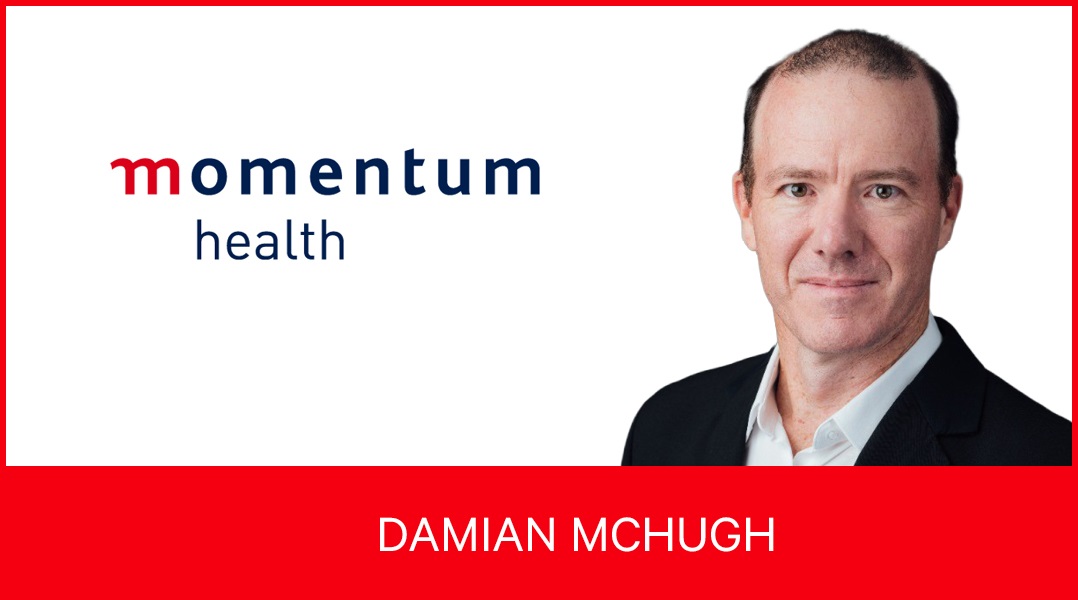
Damian McHugh, Chief Marketing Officer at Momentum Health
South African businesses are under pressure. From rising costs and economic uncertainty to the ongoing challenge of maintaining productivity in a complex operating environment. Yet, employee health, which is one of the most significant risks to business performance, remains significantly unrecognised.
The Employee Assistance Professionals Association states that one quarter of South African employees will be diagnosed with depression during their employment. However, only between 15% to 25% will seek and receive help, highlighting how many suffer in silence. Stigma is further exacerbated by corporate cultures that often associate mental health challenges experienced by employees with weakness.
From cost centre to competitive advantage
Organisations are beginning to recognise that employee health is not a nice-to-have but a measurable driver of performance. The 2026 State of the Global Workplace Report depicts that 46% of South African workers are stressed and 78% are struggling emotionally. 63% of employees feel disengaged – directly impacting their productivity. The consequence? Higher staff turnover rates, increased healthcare costs, and a negative impact on profitability of organisations in an already strained economy.
To break it down further into the Rands and Cents – the GIBS Employee Workplace Wellbeing Report states that employee mental health challenges cost the economy an estimated R250 billion in lost productivity per year- primarily through absenteeism and presenteeism. This alone reduces South Africa’s gross domestic product (GDP) by up to 4.5% each year. External challenges such as low economic growth, high unemployment, poverty, crime, and poor service delivery, amongst other things all compound to poor mental health.
This is why more businesses urgently need to move away from reactive healthcare models to proactive and preventative strategies that actively support employee wellbeing. Healthy employees drive stronger business outcomes that become multipliers and not an expense. A lack of education about mental health perpetuates ignorance and fear, while the unpredictability of mental illness can also contribute to societal stigmatisation.
I often say, your health is your wealth – when organisations invest in preventative, personalised health solutions, the returns are tangible. They get reduced absenteeism and healthcare costs, improved productivity and engagement, stronger employee retention, and ultimately better long-term organisational resilience.
The role of integrated and personalised solutions for employees
Traditional health benefits often focus on treatment rather than prevention. However, in today’s fast paced and often highly pressured environment, that approach is no longer sufficient. South African organisations need integrated solutions that address the full spectrum of wellbeing. That is where we believe that we at Momentum Health are helping to reshape the conversation.
Through holistic workplace wellness programmes, digital health tools, and real-time data insights, organisations can enable employers to identify risks early, intervene proactively, and measure the impact of their health strategies over time.
Importantly, this approach moves beyond generic benefits. It allows organisations to tailor solutions to their workforce, whether through employee assistance programmes, preventative screenings, or always-on access to medical advice. For many business leaders, the challenge is not understanding the importance of employee health; it is knowing how to measure it.
Rather than acting as a surveillance mechanism, effective workplace health strategies focus on creating environments that actively enable healthy behaviours and preventative care. Employers can use aggregate, anonymised insights to understand where well-being support is most needed across the organisation, without tracking individuals or compromising privacy.
This shifts the focus towards proactive actions that strengthen mental resilience, including:
- Encouraging regular breaks, flexible working, and sustainable workloads
- Normalising mindfulness, stress management, and emotional wellbeing practices
- Promoting participation in preventative health and wellness programmes
- Building cultures grounded in psychological safety, trust, and open conversation
By prioritising enablement over monitoring, organisations can help employees build healthier habits at scale. These insights support more informed investment in policies, tools and programmes that improve engagement, resilience, and performance, while preserving employee trust and dignity.
A strategic imperative for South Africa
As South Africa works to rebuild economic momentum, businesses cannot afford to overlook the role of employee wellbeing. No organisation can perform at its best if its people do not feel their best.
Employee health is no longer just an HR issue but a boardroom priority. And the organisations that recognise this early will be better positioned to navigate uncertainty, attract, and retain talent, and unlock sustainable growth. The question is no longer whether businesses can afford to invest in employee health. It is whether they can afford not to.
ENDS