



















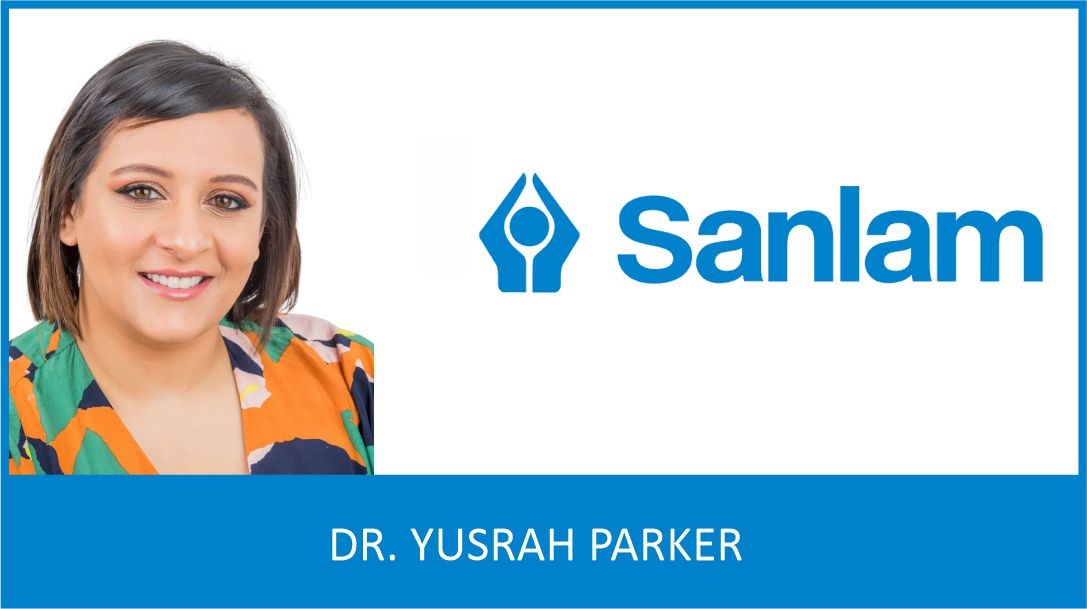
Dr. Yusrah Parker, Medical Doctor at Sanlam
Think of your body as a bank account. Every takeaway dinner, year-end party, late night or weekend on the couch is a withdrawal. Every walk, balanced meal or extra hour of sleep is a deposit. Just like with money, the way that account is managed today will shape the years available tomorrow.
“Bad habits increase the risk of disease, raise what you’ll pay in premiums, and shorten your life,” says Dr. Yusrah Parker, Medical Doctor at Sanlam. “But the good news is that you do have control. Every conscious choice is like topping up your health account – setting yourself up for a stronger tomorrow.”
The Withdrawals: What drains the body bank
“These aren’t just numbers,” Parker says. “In our claims data, heart attacks, strokes, and cancer are among the leading causes. And what’s alarming is how often these conditions now appear in people in their 30s and 40s – not just later in life. This is why it’s so important to go for routine screenings, know your family history, and make time for the basics: exercising regularly and eating well. But the flipside is that many of these conditions are lifestyle-driven, which means they can often be modified.”
The biggest withdrawals come from everyday habits and lifestyle diseases:
- Smoking: Smokers can pay up to twice as much for life cover. Each cigarette smoked can shorten life by around 20 minutes, with overall life expectancy reduced by an average of 10 years. Quitting smoking is more than just a smart new year’s resolution. It can cut life insurance premiums by up to 50% after 12 months of being smoke-free.
- Heavy drinking: Can strip away six to 10 years of life, depending on consumption levels and associated liver or cardiovascular damage. So enjoy this Dezemba in moderation.
- Unmanaged diabetes: Can cost up to eight years of life expectancy, especially when complications like kidney failure or cardiovascular disease are present.
- Hypertension: Costs South Africa R10.1 billion annually in direct public healthcare costs and another R29.4 billion in societal costs.
- Obesity and overweight: Cost R33 billion every year – more than 15% of government health expenditure. Per person, the annual cost of obesity-related conditions is R2 769, driven by diabetes, cardiovascular disease, and musculoskeletal disorders.
Some withdrawals are less obvious. South Africans spend close to 10 hours a day online – far above the global average of six hours time usually means sedentary time, which feeds into the country’s obesity crisis.
Poor sleep and chronic stress also come with high costs. Men with consistently poor sleep may lose up to five years of life; while women lose around two years. Irregular sleep (not just duration) is a strong predictor of mortality, with irregular sleepers facing up to 48% higher risk of death. Poor sleep and chronic stress drive up risks of cardiovascular disease, diabetes, and even cognitive decline.
“Sleep is when the body shuts down to repair and regulate,” explains Parker. “It’s not just about hours – it’s about regularity. Poor patterns disrupt glucose and hormone balance, ageing you faster.”
Stress carries a similar cost. “It doesn’t just affect how you feel; it raises cortisol and adrenaline, straining your heart and accelerating ageing,” she says. “Mental health must be part of the health account. Many people don’t know that most medical aids cover therapy sessions, which can give you coping tools – one of the best deposits you can make.”
That’s why the summer break is so important: it helps you recharge, and reset your priorities around your physical and mental health. If you’re quietly neglecting your body bank, now’s the time to rebalance your accounts.
Because the impact of these withdrawals isn’t just about dying younger. “We often forget morbidity – the years lived in poor health,” Parker adds. “Stress and lifestyle disease can limit your quality of life, your work, and the time you enjoy with family.”
The Deposits: What tops up the body bank
The same way good financial habits grow wealth, healthier choices help bank more healthy years. Consider the following when you’re planning your new year’s resolutions:
- Quitting smoking can cut life insurance premiums by up to 50% after 12 months of non-smoking.
- Improving BMI and getting more active can lower premiums and reduce risk of chronic disease.
- Wellness programmes can save more than R10 000 annually in healthcare costs and earn premium discounts or cash rewards.
- Better sleep, stress management, and nutrition can add two to five years to life expectancy and reduce risk of chronic conditions.
- Routine screenings and check-ups catch conditions like diabetes, high blood pressure, or cancer earlier – when they’re most treatable.
Balancing the Books
Lifestyle diseases don’t just reduce lifespan – they also shorten working years and income potential. In South Africa, where prevalence is high and access to healthcare is limited, people with chronic conditions may lose 27% to 30% of their working life expectancy. Employers face productivity losses of up to R90 000 per employee annually.
“But just like with money, the earlier you start making deposits, the bigger the payoff,” Parker says. “You don’t need a complete overhaul. Each small step – an extra hour of sleep, a walk instead of a drive, choosing a healthier meal, checking in on your mental well-being – adds back to your body bank. Over time, those deposits compound into more energy, more years, and financial savings. It’s about balance, not perfection.”
ENDS