


























































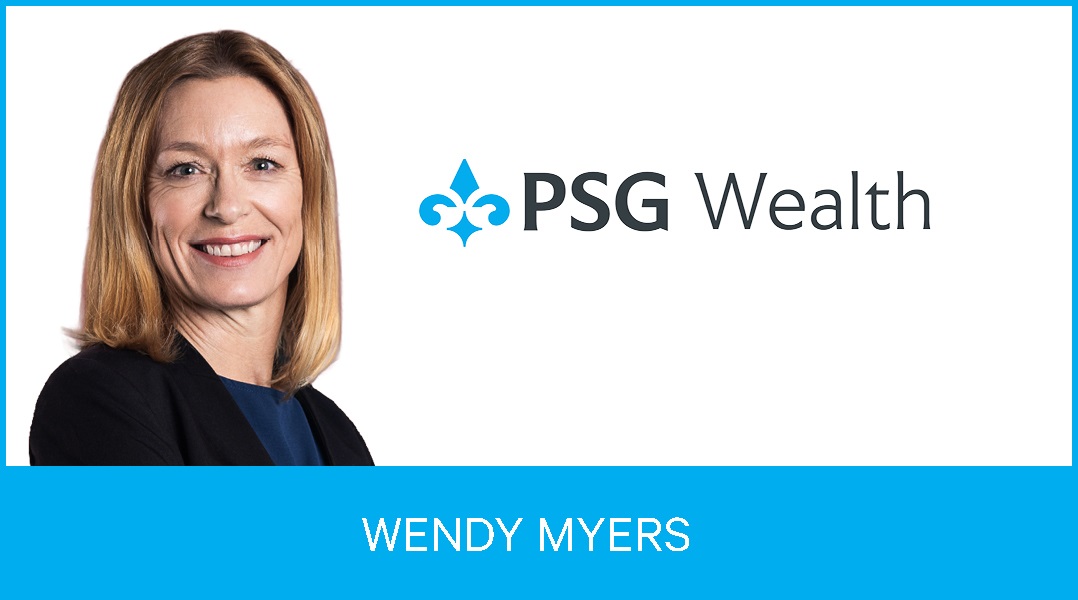
Wendy Myers, Head of Securities at PSG Wealth
In the late 1990s, we had more than 850 companies listed on the JSE. Today, that number is closer to 263. But the headline number needs context.
Just under half of these delistings were the result of mergers and acquisitions, so they were not company failures. A further portion involved companies that chose to delist locally and relist offshore because of the greater liquidity available in international markets.
So, while the JSE has certainly experienced a wave of delistings, this does not mean the South African economy is imploding or that quality companies have disappeared. The companies that remain on the exchange can still deliver, particularly across the resource, financial and industrial sectors.
The JSE is also taking steps to ensure it remains internationally relevant. After engaging with the Financial Sector Conduct Authority for several years, the exchange received approval to simplify its listing requirements. This is an important initiative aimed at making the JSE more attractive to new listings.
We are already seeing some early signs of progress. Cell C listed on the main board in November 2025, providing another listed telecommunications operator alongside MTN and Vodacom. Optasia, a global AI-powered financial infrastructure and microfinancing platform, also had a landmark IPO. More recently, French media company Canal+ completed a secondary inward listing on the JSE following its multibillion-rand acquisition of MultiChoice.
While it’s still early days, these developments are encouraging. The JSE is recognising that it needs to play a part in maintaining the exchange’s competitiveness and relevance, while companies are recognising that it remains an exchange worth being on.
Economic growth still remains a key ingredient in reversing the delisting trend, alongside regulatory conditions and market liquidity. But the market itself continues to demonstrate why local exposure matters.
The JSE’s performance in 2026 so far is a good example. After a standout 2025, driven largely by the precious metals boom, the resource sector has been more volatile. It rose strongly in January before experiencing a significant pullback as sluggish global economic conditions and slower growth in China weighed on export demand.
Yet other parts of the market have remained remarkably resilient. Industrials were up around 6% in the first half of the year, with standout performances from companies such as Grindrod, Omnia Holdings and AECI. Sasol has also rebounded strongly from its lows. Financial stocks, including Capitec, FirstRand and Standard Bank, have delivered solid performance.
This is the value of diversification in practice, and this past year has highlighted just how important it is to have both geographic and sector diversification in a portfolio. While some offshore markets have come off materially from their highs, different sectors and companies on the JSE have continued to deliver. And even when individual shares such as Naspers and Prosus have been under pressure because of their offshore exposure, the underlying businesses remain strong.
At a time when many global portfolios are increasingly concentrated in a handful of large technology stocks, exposure to a broader mix of sectors can help reduce concentration risk and improve overall portfolio resilience.
For South African investors, the lesson is not to choose between the JSE and offshore markets – it is not an either-or decision. Ensure sector diversification across both geographies and limit exposure to individual shares to no more than 5% in any particular counter. In addition, remain invested during times of volatility and try to hold a bit of dry powder to take advantage of quality companies should the markets come off.
ENDS