


















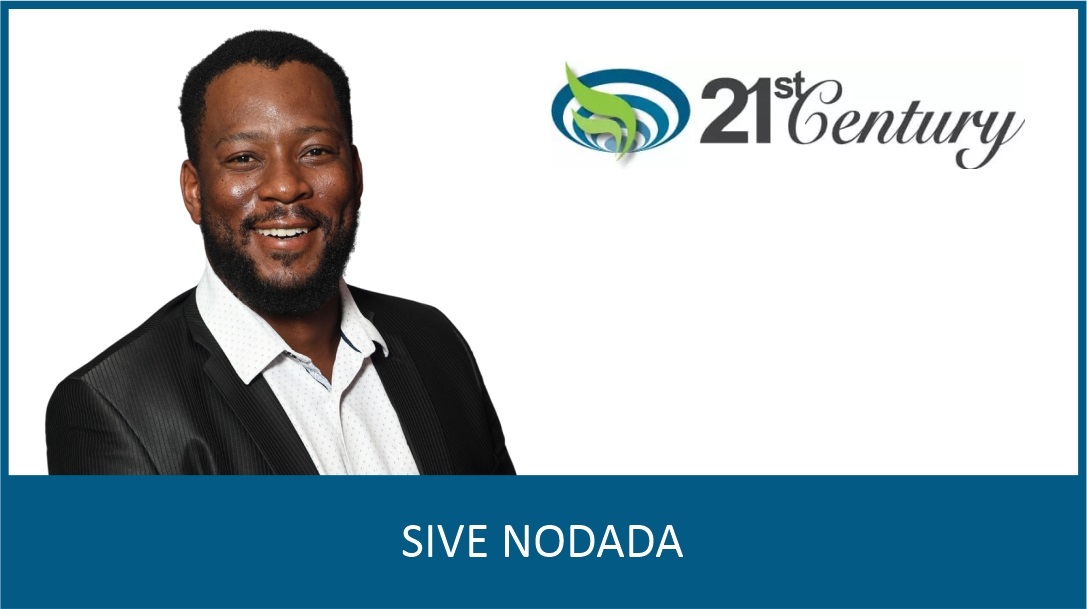
Sive Nodada, Executive Director at 21st Century
This year’s Coffee & Conversation series did exactly what it set out to do: spark useful dialogue, build shared intelligence, and create spaces where real-world challenges could be tackled collectively. Across themes as varied as financial wellness, leadership succession, culture, AI, personal branding and organisation design, one idea kept surfacing — connected impact.
Not as a slogan, but as a lived experience: different organisations, sectors and leaders learning from one another in a way that sharpens practice, not just theory.
A Year Built on Shared Curiosity
If there’s one thing this series confirmed, it’s that South African leaders aren’t short of ideas — they’re short of places to test and refine them. Each session this year brought together a mix of clients, HR practitioners, executives and specialists who were willing to lift the bonnet on their own organisations and learn from others doing the same.
The conversations were candid. Sometimes uncomfortable. Always constructive. The value wasn’t in the slides; it was in the room.
Across all nine sessions, a pattern emerged: everyone arrived with a different question, but most walked away with a clearer sense that the challenges we face are collective — and the solutions will be too.
Succession: 10 Golden Rules, South African Stories
We opened the year with succession planning, but not the tidy, consultant-approved version. We explored the messy, very South African realities: transformation, generational shifts, legacy leadership, pipeline gaps, and the politics of readiness.
21st Century’s founders shared their very personal story of preparing the organisation for transformation and handover to a new Executive Committee. Clients added to this by sharing stories of both success and scars — which made the conversation real. What emerged was a shared recognition: succession isn’t about replacing individuals but protecting the future. And that future has to be deliberately built, not assumed.
Connected impact looked like:
- Organisations cross-pollinating practical approaches that actually work here, not in a Harvard case study.
- Leaders admitting what hasn’t worked and discovering others had hit the same wall — and climbed over it.
Financial Wellness as a Lever in your EVP Toolbox
The second session turned conventional EVP thinking on its head. Purpose, development, flexibility — all necessary. But without financial stability, it’s noise.
Our conversation on financial wellness and Earned Wage Access, run with PayCurve, showed just how much strain employees are carrying. We openly debated wage inflation realities, EWA adoption, credit traps and the ROI of reducing financial stress.
Once again, the value came from the blend of perspectives: HR, Reward, Finance, and operational leaders interrogating the data together.
Connected impact looked like:
- A unified recognition that remuneration and financial wellness underpin the effectiveness of every other EVP lever.
- Teams rethinking financial wellness not as a “nice-to-have”, but a structural enabler of engagement and retention.
Culture and Engagement: Incentivising Leaders to Champion Organisational Culture and Employee Engagement
If engagement is dropping globally, South Africa isn’t exempt. Our third session explored whether leaders should be incentivised to champion culture — and if so, how.
Different organisations approach the question differently. Some tie cultural health to KPIs. Others prefer intrinsic motivation. Some are still grappling with disengaged middle management.
The session highlighted a truth many had felt privately: culture is not an HR project; it’s a leadership behaviour.
Connected impact looked like:
- Leaders wrestling with the same tension: how to reward what is inherently human, without making it transactional.
- A collective push to elevate culture from a “soft thing” to a performance lever.
AI and Workforce Planning: Incorporating AI into your Workforce Plan
When we spoke about AI in workforce planning, the mood shifted from hype to realism. Clients wanted to know: where do we even start? What skills will we need? What does augmentation look like in practice?
This session pulled together our Org Design, People & Talent, Analytics and Rem & Reward viewpoints — and the mix worked. What came through strongly was that AI isn’t a threat or a saviour; it’s a capability shift.
Connected impact looked like:
- Organisations and consultants comparing AI experiments and developments, failures and small wins openly.
- A shared understanding that AI belongs everywhere — not only in IT.
From Invisible to Influential: Personal Branding in the Age of AI
This session surprised many. We explored personal branding, not as self-promotion, but as a professional differentiator in a noisy, tech-enabled world.
A standout realisation: AI doesn’t build your voice — it frees your voice. It gives you time, leverage, and clarity, but the tone, truth and credibility still need to come from leadership.
Connected impact looked like:
- Leaders challenging their own reluctance to be visible.
- Teams realising that personal brand strengthens employer brand, not competes with it.
The Real Cost: How Bad Job Profiling Undermines HR Strategy and Organisational Trust
This session was a major learning curve for many who had not explored the intricate differences between key documents that enable the establishment of a High-Performance Culture.
We delved into the differences in verbiage and phrasing between Job Profiles, Job Descriptions and Performance Evaluations and the impact confusing these documents has on the execution of HR and organisational strategy.
Connected impact looked like:
- Understanding the pitfalls of a poorly written Job Profile on Job execution, performance, succession and remuneration
- Unpacking inflated roles and dispelling roles built around individuals rather than organisational needs
Inner Work Meets Outer Impact: Using Assessments for Coaching Individuals and Teams
Here the conversation blended psychology, performance and team realities. Assessments became less about labels and more about self-awareness, behaviour shifts and team alignment.
When people understand themselves better, they work together better — simple, but transformative.
Connected impact looked like:
- Leaders embracing assessments as strategic tools, not admin steps.
- Teams recognising that psychological safety and performance are linked, not competing priorities.
Human & Machine: The Future of Organisation Design in the Age of AI
In our penultimate session, the question shifted from AI tools to AI ownership. Who leads? Where does it sit? How does governance evolve?
The consensus: AI is not an IT project; it’s an organisation design question. Human–machine collaboration demands new structures, new decision rights and new thinking about roles.
Connected impact looked like:
- Executives reframing AI as a structural question, not a software question.
- A recognition that OD now spans humans, machines and everything in between.
The Thread That Tied It All Together
The final session for the year explored the common thread across every session. One conclusion stood firm: the power is in the collective intelligence of our clients and partners.
Every topic — from succession to AI — revealed that no organisation is navigating these shifts alone.
If anything, this year proved that when we create spaces for open, grounded conversation, impact becomes something we build together.
ENDS