





























































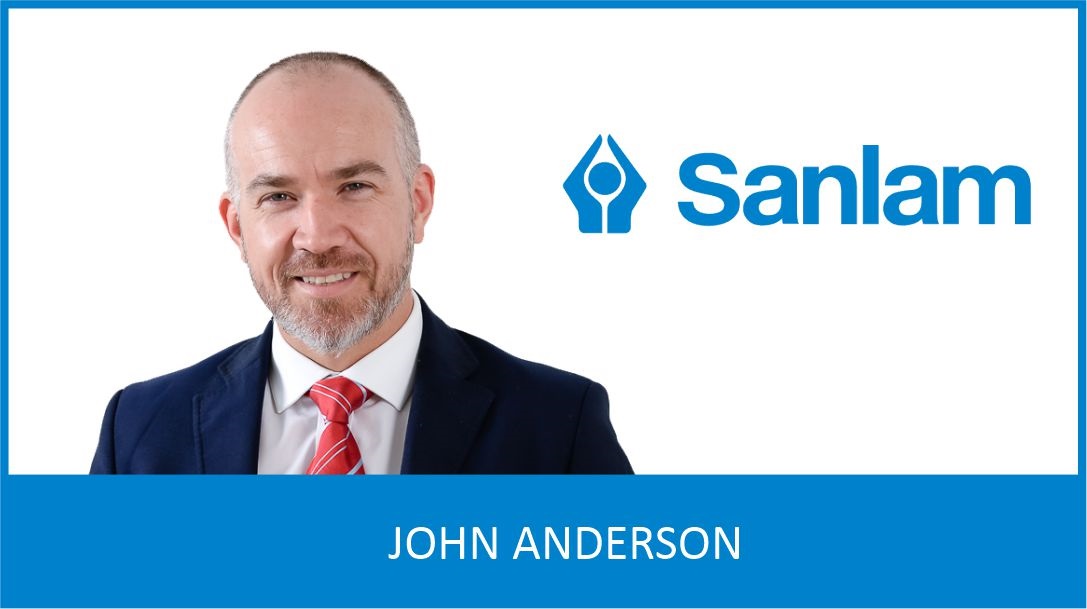
John Anderson, Managing Executive: Investment at Sanlam Corporate
More than half (57%) of standalone employer funds now require their investment managers to incorporate responsible investment principles, according to the 2026 Sanlam Benchmark Survey. Almost all of those funds believe that considering environmental, social and governance (ESG) factors leads to better investment decisions.
That is a significant shift. It suggests the conversation has moved well beyond whether sustainable investing belongs in the investment process. The real question now is whether organisations can demonstrate that their sustainability strategies have shifted into making a measurable difference.
The Financial Sector Conduct Authority’s (FSCA) Sustainable Finance Programme of Work is leading that shift. As its focus moves from establishing principles to strengthening implementation, measurement and oversight, the expectations of trustees, advisers and asset owners are changing too. The question is no longer whether organisations have ESG policies. It is whether sustainability is genuinely influencing investment decisions, managing long-term risks and delivering measurable impact.
For those of us working in retirement investing, this isn’t an academic debate. The decisions being made today will shape the long-term financial outcomes of millions of South Africans. That is why measuring impact matters just as much as measuring returns.
The FSCA’s programme, launched in 2023, aims to align South Africa’s financial system with global environmental, social and governance (ESG) standards while supporting national climate commitments. Built around five pillars – taxonomy, disclosure, market development, active ownership and consumer education – it reflects a pragmatic approach that recognises South Africa’s unique realities while learning from international markets.
At Sanlam Corporate, we see sustainable finance as an evolution of the traditional investment equation rather than a replacement for it. Investors are no longer assessing only risk and return. They are increasingly asking how investment decisions affect long-term resilience, environmental outcomes and broader economic sustainability.
The industry’s biggest challenge is no longer defining sustainability – it is measuring it. Global reporting remains inconsistent. The Sustainability Reporting Index found an average sustainability reporting score of just 37%, while climate disclosure achieved a median score of only 27%. This is well short of a score of 80% that funds should be targeting. Nature and biodiversity reporting is almost non-existent. Even where ESG policies exist, evidence that organisations are monitoring effectiveness or demonstrating measurable impact remains limited.
Until organisations can demonstrate outcomes, sustainability risks becoming another reporting exercise instead of a better way to make investment decisions. This is precisely why the FSCA is placing increasing emphasis on disclosure, reporting and assurance.
We welcome South Africa’s Green Finance Taxonomy because it provides something the market has long needed: a common language. By defining what qualifies as “green” economic activity, it aims to improve consistency, reduce greenwashing and support better capital allocation. Early implementation has highlighted familiar challenges around data, systems and reporting capability, but these are not unique to South Africa. They mirror global experience and are part of the transition towards more mature sustainability reporting.
We also believe sustainable finance extends beyond where capital is invested to how investors use their influence. Retirement funds are among the country’s most influential asset owners. Through engagement, voting and stewardship they can encourage better governance, stronger risk management and improved long-term outcomes for members.
The progress South Africa has made is encouraging, particularly when compared with other countries in the region. But we should not mistake progress for completion. Climate and biodiversity disclosures continue to lag, while there is still limited evidence that climate-related risks are being incorporated into actuarial valuations and long-term funding models for retirement funds.
Recent guidance from the Prudential Authority and the phased introduction of sustainability disclosure requirements aligned with IFRS S2 provide important regulatory direction. Just as importantly, they allow the market to build capability over time rather than treating sustainable finance as simply another compliance exercise.
For our clients, these shifts are already changing the questions that matter. It is no longer enough to ask whether a fund has an ESG policy. The more important questions are whether it can demonstrate measurable outcomes, align with emerging disclosure standards, incorporate climate scenarios into investment decisions and show evidence of meaningful stewardship and active ownership.
Ultimately, the FSCA’s roadmap marks an important turning point for sustainable finance in South Africa. The direction is clear: greater standardisation, stronger measurement and deeper accountability.
As an industry, we have reached the point where sustainability must move beyond policy documents and reporting templates. Better information should lead to better investment decisions – and ultimately better outcomes for the people whose savings we are entrusted to protect.
That is why we see this next phase of sustainable finance as an opportunity rather than simply another regulatory requirement. Those organisations that can demonstrate sustainability is genuinely shaping how they assess risk, allocate capital and create long-term value will not only be better prepared for evolving regulation. They will also be better positioned to deliver stronger, more resilient outcomes for investors.
Visit here for more from the 2026 Sanlam Benchmark research.
Ed’s note: In EBnet’s series Industry Insights, we’re chatting to a number of role players on the recently published Responsible Investment in South Africa report. Watch these conversations here.
ENDS