























































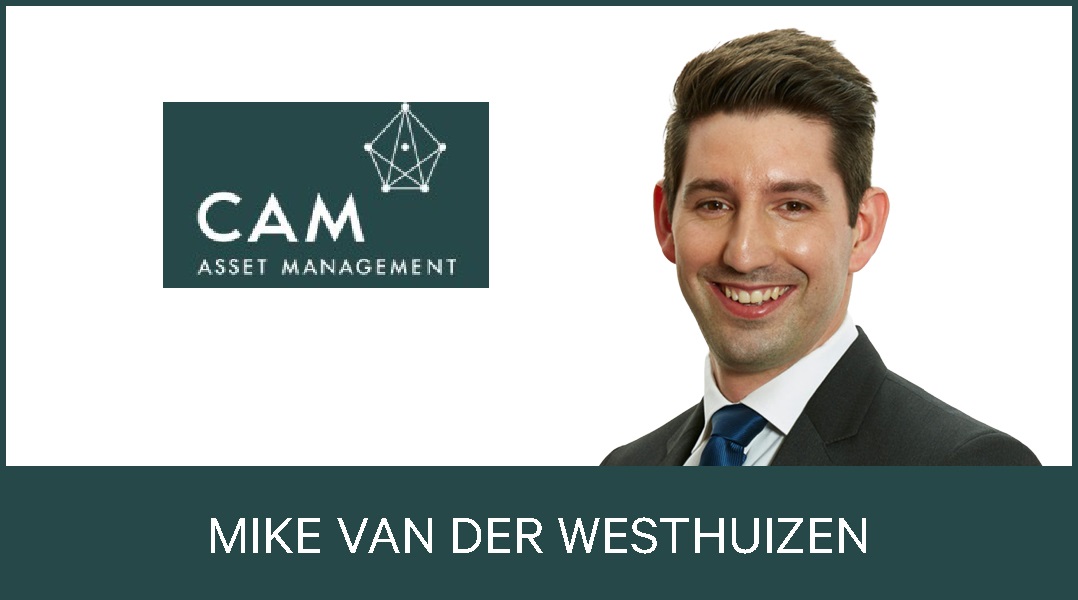
Mike van der Westhuizen, Portfolio Manager at CAM Asset Management (a subsidiary of Citadel Holdings)
The South African Reserve Bank’s (SARB) July Monetary Policy Committee (MPC) meeting on Thursday, 23 July is expected to be another close call, with sticky core inflation, rising inflation expectations, oil-price uncertainty and geopolitical risk keeping the possibility of another interest rate hike on the table.
According to CAM Asset Management, Portfolio Manager, Mike van der Westhuizen, the market is leaning slightly towards another hike, or at least a more hawkish message from the SARB Governor, Lesetja Kganyago.
“The upcoming MPC meeting is likely to be quite a close call again. At this stage, we see around a 60% chance of a hike, or at least a fairly hawkish tone from the Governor,” says van der Westhuizen.
Inflation data will matter
The official inflation and core inflation data will be released on Wednesday, 22 July, a day before the SARB’s interest rate announcement. While this print will be closely watched, van der Westhuizen says it may have limited influence on the final decision, given how close it is to the MPC announcement.
“The inflation print released the day before the meeting may have some bearing on the final decision, but the decision would likely already have been largely shaped by then,” he says.
However, the data will still matter for the SARB’s communication. Inflation is expected to rise further on a year-on-year basis, while core inflation, which excludes food and energy costs, remains sticky.
“Core inflation is still stubborn and is expected to come in around the high 3% level and possibly closer to 4% for the June print. That will matter because the SARB is focused not only on current inflation, but also on where inflation is likely to move later in the year,” says van der Westhuizen.
Expectations remain the key risk
Van der Westhuizen says the SARB’s decision will also be influenced by its recent move to a lower inflation target and the need to keep expectations anchored around that level.
“The SARB has made a big push to anchor inflation expectations closer to 3%. When inflation was falling last year, expectations moved lower and the SARB would have taken comfort from that,” he says.
However, the latest inflation expectations data has started to move higher again.
“Longer-term inflation expectations are now sitting at around 4%, which is at the upper end of the SARB’s new tolerance band. The more hawkish argument is that the SARB may hike to try to temper those expectations lower again,” says van der Westhuizen.
He says this is what makes the July decision difficult. Although rate hikes cannot fully address supply-side shocks, the SARB remains concerned about second-round effects.
Oil and the rand support the case for a hold
While inflation expectations support the case for a hike, van der Westhuizen says there are also arguments for holding rates steady, particularly after oil prices eased and the rand remained resilient.
“One of the bigger arguments in favour of a hold is that oil prices have fallen significantly since the previous MPC meeting. The rand has also been quite resilient. Lower oil and a resilient rand should help temper some of the inflation pressure,” he says.
However, renewed conflict in the Middle East remains a risk.
“The spanner in the works is the resumption of conflict and what that could mean for oil. Brent crude is still below the SARB’s oil assumption for 2026, but the SARB will need to communicate how it sees the oil-price outlook and what that means for inflation,” he adds.
What this means for consumers and markets
Van der Westhuizen says the SARB is aware of the trade-off between raising rates to fight inflation and the negative effect this can have on growth and consumers.
“Another hike, or even a more hawkish tone, would be negative on the margin for consumers,” he says.
For borrowers, another hike would increase debt-servicing costs. For savers, higher rates would continue to support cash and money-market returns. For investors, the outcome will matter for cash, bonds, equities and the rand.
He says markets have already priced in a meaningful probability of a hike, which may limit the immediate reaction, although the United States (US) Federal Reserve (Fed) remains the bigger swing factor for global markets.
“The decision is finely balanced. The case for a hold is supported by lower oil prices and a resilient rand, but the case for a hike is supported by sticky core inflation, rising inflation expectations and the SARB’s need to protect its credibility around the lower inflation target,” he concludes.
ENDS