


























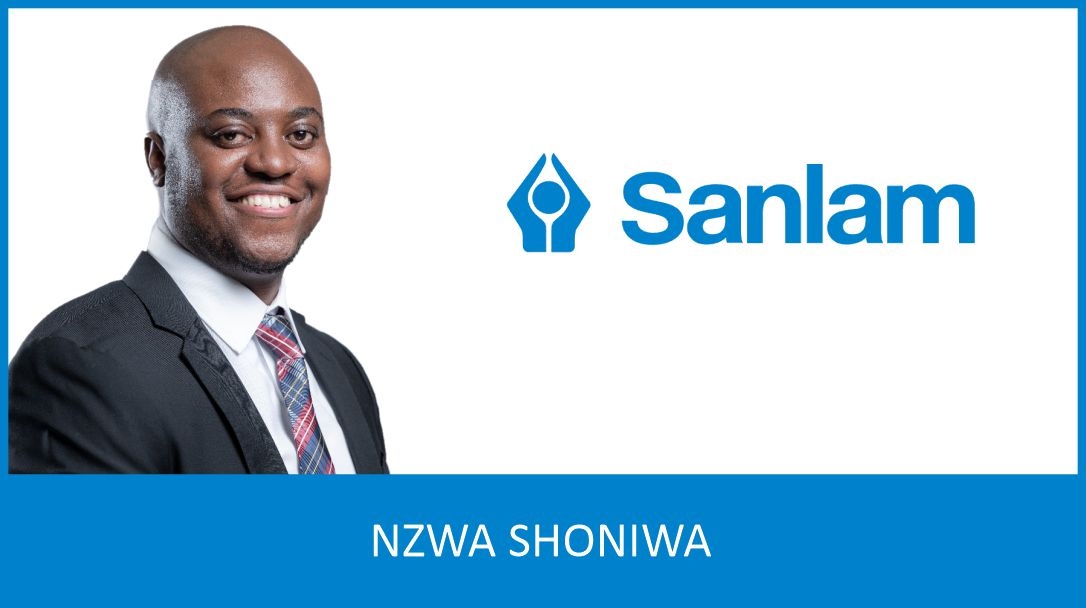
Nzwa Shoniwa, Managing Executive: Sanlam Umbrella Solutions at Sanlam Corporate
South Africa’s retirement challenge is often described as a savings gap, but the 2026 National Budget Speech, delivered late in February, highlighted a more precise issue – the country isn’t only struggling to get people to save; we’re failing to keep those savings invested.
In our industry, we see retirement security eroded not by large poor decisions, but rather by a collection of small decisions: a resignation without preservation, a deferred form, or contact details not updated.
The R88-billion warning
Treasury’s proposal to increase the annual tax-free investment limit from R36 000 to R46 000 and lift the retirement fund deduction cap from R350 000 to R430 000 is a move we are so positive about. However, tax policy works on the assumption that savings stay invested. So, while this is good news, the industry and government now need to redouble education efforts around preservation.
The disclosure that South Africa has more than R88-billion in unclaimed financial assets is the clearest indicator of a systemic break. This money needs to get to those who earned it. While appointing a central administrator should improve recovery, the real loss occurs far earlier – at the point where a member exits employment and retirement savings become a secondary priority.
The most expensive week in a career
An employee’s exit from a company may be the most expensive week of their working life. Most organisations run structured off-boarding – equipment is returned and access revoked – yet retirement benefits are often handled as a procedural footnote.
At exactly this point, access to financial guidance matters most. In many cases, support already exists, whether through benefit counsellors, CFAs or accredited advisers, but it is still underutilised. That means poor outcomes are not driven only by financial pressure or policy complexity, but also by low engagement at the very moments when members need to make informed decisions about preserving their savings.
We can materially improve outcomes by treating a resignation as a “retirement event” rather than an HR formality. A consistent exit process should include:
- A plain-language benefit summary.
- A practical preservation option explained directly.
- Updated contact details before the final payslip.
- A clear handover on how the member remains connected to the fund.
Preservation and financial stress
The effectiveness of Budget incentives depends on continuity. When someone withdraws savings in their early 30s, they lose decades of compound growth that later contributions can rarely replace.
Retirement readiness now intersects directly with household financial stability. When a household experiences strain – whether from debt, rising school fees, or gambling issues – accessible savings become a coping mechanism. To that end, Treasury’s consultation on a national online gambling tax points to a broader concern: household resilience is now a pillar of economic stability.
Turning incentives into outcomes
The industry measures investment performance precisely, but administrative effectiveness deserves equal attention. Trustees and employers must ask if members are preserving savings at job changes and if default contribution levels align with realistic targets.
Converting Budget incentives into better outcomes depends on three operational shifts:
- Simplify contributions: Review default levels so they are adequate and clearly explained.
- Manage exits: Design exit processes so that preservation becomes the path of least resistance.
- Measure results: Track whether preservation, engagement, and member contactability are actually improving.
The R88-billion figure proves that the savings already exist. The challenge is keeping those savings connected to the people who earned them so they can retire with dignity.
ENDS