
































































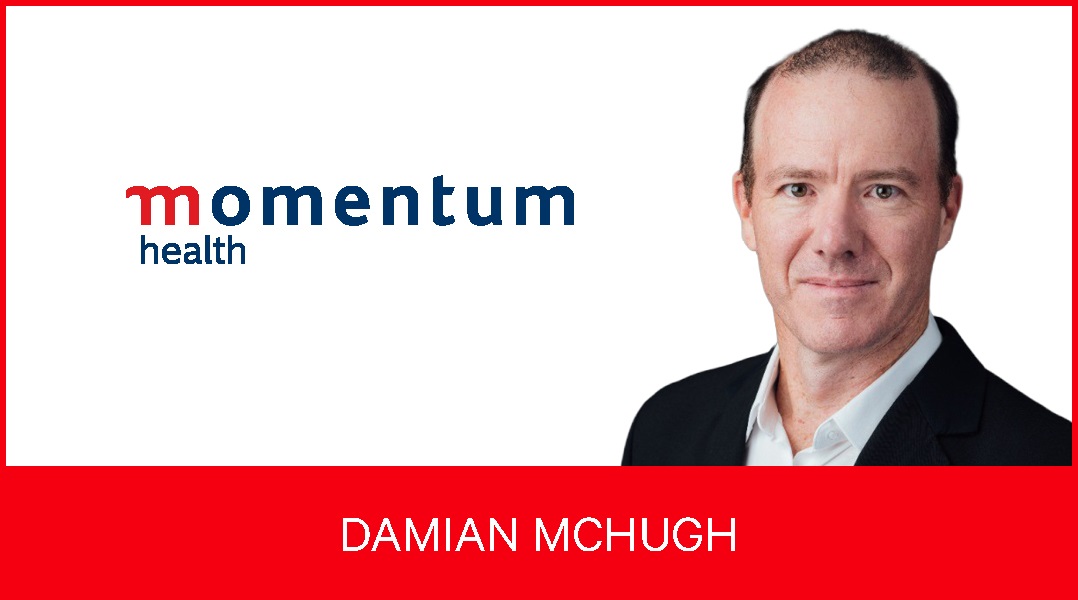
Damian McHugh, Chief Marketing Officer at Momentum Health
As women continue to carry significant household and financial responsibilities, Momentum Health is urging South Africans to view preventative healthcare as an investment in both health and long-term financial resilience. The call forms part of the organisation’s Women’s Month commentary on sustainable ambition, wellbeing and the principle that health is wealth.
Momentum’s 2025 Household Finance Survey found that women are often central to household financial decision-making. Among financially knowledgeable people in surveyed households, 53.8% were women, while 79.3% of those women identified as the head of household and primary financial decision-maker. Nearly half of financially knowledgeable women were aged 25–39, an economically active life stage in which career progression, family responsibilities and financial planning can converge.
The findings also point to the financial pressure many households face: more than half reported that they earn below R10, 000 per month. In this context, preventative care can be a practical form of risk management. Regular health assessments, screenings, movement, recovery and early support for physical or mental-health concerns may help people act on potential health risks sooner and potentially avoid some of the longer-term costs associated with managing health conditions.
“Burnout has a balance sheet,” said Damian McHugh, Chief Marketing Officer at Momentum Health. “Its impact can extend beyond feeling tired or overwhelmed, affecting health, confidence, relationships, time and career momentum. Protecting your health is not stepping away from ambition; it is a strategic way to sustain it. When people make room for prevention, recovery and healthier daily habits, they are investing in the energy and resilience that support every other goal.”
Momentum Health supports a preventative, whole-person approach to care through medical scheme benefits, digital healthcare tools and wellness programmes designed to help members engage with their health before concerns become more serious. Through Multiply, members can also be recognised and rewarded for healthy behaviours, helping make consistent wellbeing choices more tangible and motivating.
Health needs, risks and circumstances differ from person to person. By using health assessments, available preventative benefits and digital tools, members can better understand their individual health profile and make informed decisions about the care and support they may need.
The same Momentum survey underscores women’s role as active financial decision-makers. Some 73.3% of financially knowledgeable women said they rely on their own knowledge and experience to manage household finances, while only 4.1% use a certified financial adviser. The research suggests that women are actively managing competing priorities, often within constrained resources, reinforcing the importance of decisions that protect both immediate wellbeing and long-term security.
“Health and wealth are closely connected,” McHugh added. “Success should add to your life, not leave your health with a debt to repay. Preventative care is about taking earlier, more personal action: making time for check-ups, asking for support when it is needed and building routines that are sustainable. These choices can help protect the health, clarity and capacity people need to keep building their futures.”
Momentum’s analysis draws on a focused secondary review of its 2025 Household Finance Survey, conducted among 1,756 households and weighted to represent 21 million South African households. The cross-sectional analysis identifies associations rather than causal relationships, and findings relating to household assets and financial products may reflect joint household decision-making.
Ed’s note: Learn more about medical aids – PMB’s, benefits, and how to squeeze the most out of your healthcare spend – in our series Health Hack SA here.
ENDS