






















































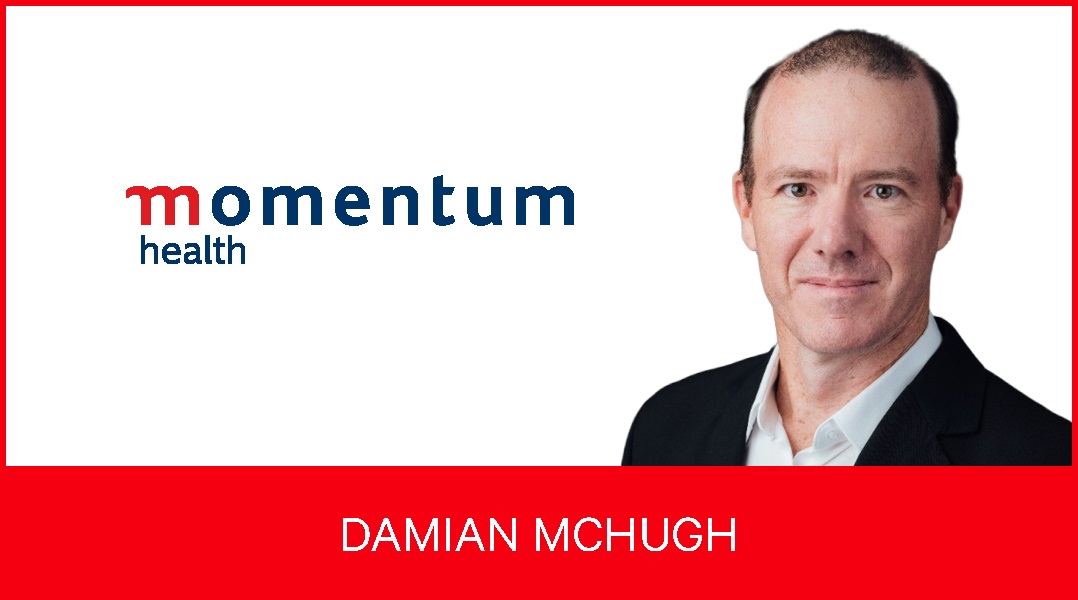
Damian McHugh, Chief Marketing Officer, Momentum Health
Recent data reveals that Type 2 diabetes has officially overtaken HIV, tuberculosis and other infectious conditions to become South Africa’s leading natural cause of death. This makes Diabetes one of South Africa’s most pressing health challenges and one of its easiest to miss.
Stats SA points to mortality linked to diabetes being at around 6,1% of all recorded deaths in 2024. The International Diabetes Federation estimates 2,3 million South Africans aged 20-79 were living with diabetes in 2024, a figure projected to rise to almost 4 million by 2050. Often described as a silent epidemic, the condition can develop gradually, with some people only becoming aware of their risk once their health has been affected. By then, the consequences can extend beyond the individual to families, workplaces and an already pressured healthcare system.
The impact of unmanaged diabetes can be serious. It is associated with complications, including cardiovascular disease, kidney damage, vision impairment and nerve damage. It can also affect energy, concentration, productivity and quality of life.
This is not only a healthcare issue; it is a workplace and economic one. Long working hours, chronic stress, poor sleep, sedentary routines and dependence on convenient, highly processed foods can make it difficult for people to prioritise their health. Remote and hybrid work can add another layer, with prolonged screen time and less incidental movement becoming part of the working day.
The positive message is that people are not powerless. While individual risk factors differ, early detection, professional support and consistent lifestyle changes can help prevent or delay type 2 diabetes and help those living with diabetes manage the condition more effectively.
Knowing your numbers matters
Too often, people wait for a health concern to disrupt their lives before seeking medical advice. But regular health assessments can identify risk factors earlier, when there is greater opportunity to act.
Checking indicators such as blood glucose, blood pressure, cholesterol, weight and cardiovascular risk gives individuals a more complete picture of their health. It can also prompt an informed conversation with a healthcare professional about practical next steps.
Warning signs that should not be ignored include excessive thirst, frequent urination, unexplained weight loss, persistent fatigue, blurred vision and slow-healing wounds. These symptoms can have different causes, but they warrant medical attention. People with a family history of diabetes, or who have other risk factors, should discuss appropriate screening with a healthcare professional even if they feel well.
Prevention and early intervention should not be viewed as optional extras.
Hospitalisation remains the largest area of expenditure in the medical scheme market, which is why prevention and early intervention cannot be treated as optional extras. A sustainable healthcare model must help people act before a health concern becomes a more serious, and often more expensive, event.
Small actions, repeated consistently
There is no single solution to diabetes risk. The most meaningful progress is often built through small, sustainable choices: moving more, eating a balanced diet, getting adequate sleep, managing stress and attending routine health checks.
These actions are not about perfection or restrictive rules. They are about making health easier to prioritise amid the realities of daily life.
Momentum Multiply data indicates that 80% of members maintain or improve their health scores over time. It also shows that members who actively engage with their health and wellness tend to claim 12% less on average and have a 15% lower cost differential. While these outcomes cannot be generalised to every individual, they reinforce an important principle: proactive health management can benefit both wellbeing and household finances.
We believe people should be empowered to take practical steps towards better health in ways that are accessible, relevant and meaningful to them. When health support is convenient, understandable and rewarding, people are more likely to build habits that last.
Make prevention possible at work
Employers also have a role to play. A culture that values wellbeing alongside productivity can help make healthier choices more realistic. This can include encouraging movement breaks, making healthier food options available, supporting flexible access to care and promoting wellness initiatives without stigma or pressure.
Digital healthcare can be part of the solution, particularly for employees who struggle to make time for an in-person consultation. Telephonic and virtual consultations can provide an accessible first point of contact, helping people understand whether they need testing, monitoring or further clinical care.
Access to preventative screenings, chronic-condition benefits, healthcare professionals and ongoing support can be a vital part of managing health risks before they become emergencies. It’s vital that South African’s know their health, understand risks and act early. Our most powerful tools in responding to diabetes remain awareness, accessible care and the preventative everyday choices that protect long-term health.
Ed’s note: To understand your medical aid cover options better, watch EBnet.Stream’s podcast series Health Hack SA.
ENDS