

































































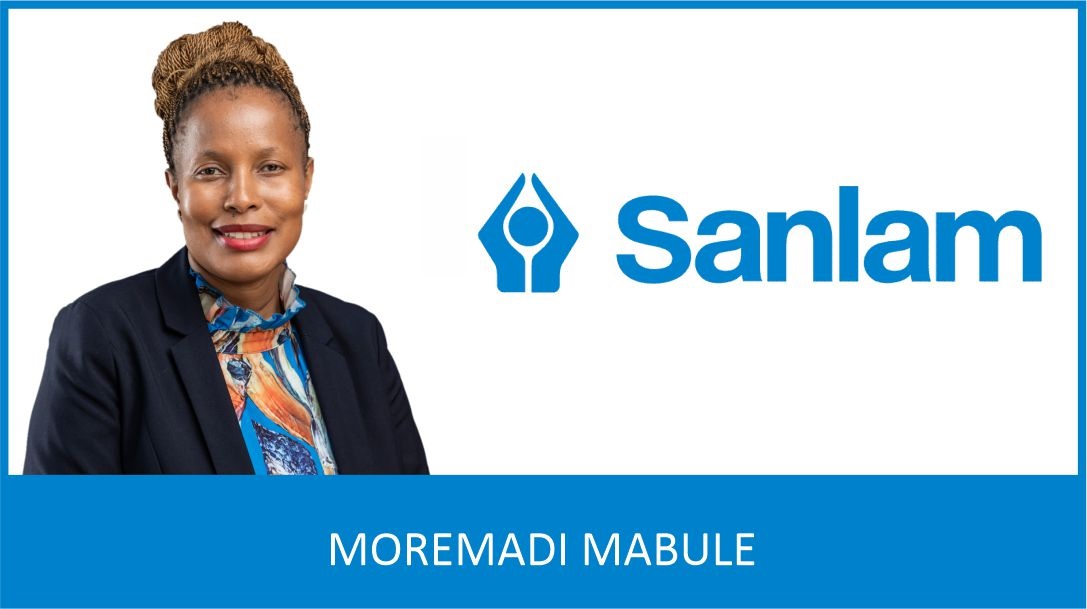
Moremadi Mabule, Head of Sales, Beneficiary Funds at Sanlam Trust
In South Africa, trustees of pension funds, beneficiary funds, and guardianship trusts face an increasingly complex challenge: the distribution of benefits to young adults who are grappling with substance abuse or drug addiction. With the legal age of majority being 18, many beneficiaries who are due to receive significant lump sums or monthly allocations are legally entitled to their funds, even if they are not emotionally or mentally fit to manage the money.
Drug addiction complicates the trustee’s fiduciary duty to act in the best interests of beneficiaries, raising critical questions about how to protect vulnerable young adults while adhering to legal and regulatory obligations.
The Challenge: Legal Age vs. Life Readiness
By law, South African children become legal adults at 18. In the eyes of the pension fund or trust, this means that funds can be paid directly to them. However, this does not mean that every 18 year-old is equipped to manage money responsibly especially if they are struggling with addiction.
Key Issues
- Risk of funds being misused for drugs, perpetuating the addiction.
- Inability to meet basic needs, such as education or living expenses, due to financial mismanagement.
- Pressure from peers or enablers to access funds early.
- Family breakdowns, often leaving the beneficiary without healthy adult support.
Current Structures: Beneficiary Funds and Guardianship Trusts
1. Beneficiary Funds
Beneficiary funds were established in South Africa under Section 37C of the Pension Funds Act to safeguard and manage death benefits, particularly for minor children and other financial dependants. Pension fund trustees have a fiduciary duty to ensure that benefits are allocated equitably and in the best interests of dependants. Once trustees are satisfied that payment to a beneficiary fund is appropriate and permitted under the Act, the benefit may be transferred. From there, the beneficiary fund trustees and administrators assume responsibility for managing and disbursing the money on behalf of the beneficiary until they reach the age of majority (currently 18) or are otherwise deemed capable of managing their own affairs in line with the fund rules and the Pension Funds Act.
2. Guardianship Trusts
These are private trusts set up to manage a lump sum (for example, from an unapproved benefit fund or policy of long-term insurance) for a minor. They often provide more flexibility and personalised management, but come with their own administrative burden and cost.
While both structures aim to protect the beneficiary’s financial interests, drug addiction introduces risk that neither framework is fully designed to handle.
Alternative Legal Protection: Curatorship
When a beneficiary is an adult but unable to manage their affairs due to mental health challenges, including addiction, the appointment of a curator bonis (under the Mental Health Care Act or common law) becomes a powerful legal alternative.
- A curator bonis is appointed by the High Court to manage the financial affairs of someone incapable of doing so themselves.
- This protects the beneficiary from self-harm via mismanagement and gives trustees a responsible party to liaise with.
However, the legal process of curatorship is lengthy and costly, must be preceded by the appointment of a curator ad litem and should therefore be considered a last resort.
Proposed Solutions for Trustees
1. Conduct Holistic Assessments
Before paying out a lump sum to a beneficiary turning 18, trustees should:
- Request psychological and medical assessments if there are ‘red flags’.
- Involve social workers, where possible.
- Consider extending beneficiary fund administration beyond age 18, if allowed under the fund rules and in the beneficiary’s best interest.
2. Require Rehabilitation Commitment
Where addiction is confirmed, link payments to:
- Participation in an approved rehab programme.
- Letters from social workers, therapists, or medical professionals confirming progress.
3. Draft Protective Trust Deeds Upfront
For future cases, pension fund rules and trust deeds should:
- Allow flexibility in payment timelines based on mental health or addiction assessments.
- Empower trustees to defer or condition payouts to protect the beneficiary.
Balancing Compassion and Duty
Trustees hold the heavy responsibility of honouring the wishes of the deceased while protecting the future of the living. When dealing with drug-addicted young beneficiaries, the standard approach is not enough. Trustees must act decisively, compassionately, and within the law, to seek innovative ways of safeguarding vulnerable beneficiaries’ inheritances and their lives.
Legacy Perspective: What Are We Protecting?
Legacy is not only about money. It’s about ensuring that the next generation has a fighting chance at a better future. When trustees act wisely and ethically, especially in difficult cases like addiction, they contribute to breaking cycles of destruction and honouring the legacy of the parent or guardian who left that provision behind.
Ed’s note: Join Sanlam Trust at their annual feedback seminar on 7 May at 10am, hosted by EBnet, by registering here
ENDS